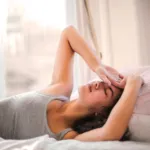
For many women, period cramps can be a real struggle – it’s like their body is screaming for them to just curl up in bed and hide. But you’re not alone in this, lots of women in Sri Lanka are on the same boat, searching for ways to ease the pain without relying on medication. One thing that’s been around for centuries and might be worth trying is acupressure. It’s all about finding these special pressure points on your body that can help with menstrual pain. The good news is, these points are easy to find and won’t cost you a thing – you can even press them while you’re at home, at work, or studying, and nobody will even notice. Just a few simple techniques can make a big difference and become a comforting part of your monthly self-care routine.
nn
nn
In this friendly guide, we will walk you through how pressure points work, the top spots to try, how to use them safely, and how to combine them with other natural comfort methods. Let’s make your period a little kinder to you.
What Are Menstrual Pain Pressure Points and How Do They Work?
For thousands of years, people have been using certain spots on the body to help with health issues. These spots are called pressure points. You can use your fingers or thumbs to put gentle pressure on them, which is a technique called acupressure. The good thing about acupressure is that it doesn’t involve using needles, like acupuncture does. Instead, you just use your own body weight to apply pressure to these special points. This can be a simple and effective way to deal with various health problems.
This concept is rooted in traditional Chinese medicine, which suggests that our bodies contain pathways of energy. By applying pressure to specific points, it’s believed that this energy can flow more freely, leading to a reduction in tension and discomfort. Although the scientific community is still working to understand the exact mechanisms behind this practice, many women claim that acupressure helps them feel more at ease and less anxious during their menstrual cycle. The idea is that by targeting certain points, women can experience a sense of calm and relaxation, which can be especially beneficial during this time. As research continues to explore the effects of acupressure, it’s clear that many women are finding relief from its practice, and it may be worth considering for those looking to manage their menstrual discomfort.
Here is a simple way to understand it: when you press a point and breathe deeply, your body often relaxes. Relaxed muscles tend to feel less crampy. It is a calming, mindful practice rather than a quick medical fix.
To really take care of yourself, it’s a good idea to understand how your body works. If you’re interested in learning more about what’s happening in your body each month, you can check out our guide to understanding your menstrual cycle. Knowing what’s going on with your cycle can make a big difference in planning your self-care – it’s a lot easier to take care of yourself when you know what to expect.
Top 6 Pressure Points for Period Pain Relief (Step-by-Step)
When it comes to finding relief from period discomfort, many women swear by certain pressure points on the body. Here are six popular ones you can try – gently press each spot and see which one brings you the most comfort.
To find the Spleen 6 point, which is often used to help with menstrual discomfort, you need to locate it about four finger-widths above your inner ankle bone. It’s positioned just behind the shin bone, so you’ll want to press there firmly but gently. Hold the pressure for 1–2 minutes on each leg to get the best results. This point is really popular for easing menstrual issues, and it’s easy to try out for yourself. Just remember to breathe deeply and relax while you’re pressing the point to help your body get the most out of it.
To find the Spleen 8 point, look on the inner side of your leg, about a hand’s width below your knee. When you massage this spot in small circles for a minute or two, it can be really calming for tension in your lower belly. Lots of people find it helps them relax. Just take your time and gently rub the area, you might be surprised at how soothing it can be.
To find the Liver 3 point, sit down and get comfortable. Now, look at your foot and find the spot between your big toe and second toe. It’s about two finger-widths up from where the toes are connected. When you press this spot, it can help you relax. Just apply some steady pressure, and you should start to feel more calm. This point is also known as LV3, and it’s a great way to unwind and reduce stress.
To find the Large Intestine 4 point, look at the hand, specifically the fleshy area between your thumb and index finger. This is where it’s located. When you find it, gently squeeze it for about a minute. However, if you’re pregnant, it’s best to avoid this point altogether.
- Conception Vessel 6 (CV6) – Below the navel: Place two finger-widths below your belly button. Rest your fingers here and press softly while breathing slowly. Great paired with a warm compress.
- Bladder 32 (BL32) – Lower Back: You can find this spot in the dimples of your lower back, just above the buttocks. To use it, press down with your knuckles or thumbs and then release. It’s really helpful if you’re getting cramps that spread to your back. Just applying some pressure to this point can make a big difference.
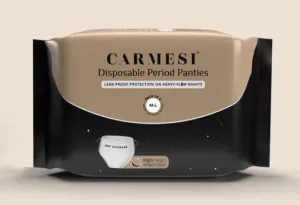
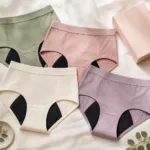
It’s really important to feel comfortable when you’re trying to relax, especially if you’re dealing with your period. Wearing soft and leak-proof period panties can make a big difference – it lets you unwind without stressing about leaking or feeling uncomfortable. This way, you can just focus on relaxing and taking care of yourself.
How to Apply Acupressure Safely During Your Period
To get the most out of acupressure, it’s a good idea to be gentle and take a few precautions. Here are some simple tips to keep in mind: following these tips will make your acupressure experience more comfortable and effective.
Find a quiet spot where you can relax, either sitting or lying down, and take a few deep breaths to calm yourself before you start.
- Use steady, gentle pressure. Press firmly enough to feel it, but never to the point of sharp pain. A soothing ache is fine; a painful jab is not.
To get the most out of this technique, hold the point for about 1 to 3 minutes, applying steady pressure, and then release it slowly. Make sure to repeat this process on both sides of your body, wherever the point is located.
- Breathe deeply. Slow breathing helps your muscles relax and makes acupressure more effective.
To get the best results, try to stick to your routine every day, even if it’s just for a short time. Doing a little bit each day can be more effective than trying to do everything at once.
- Listen to your body. Stop if anything feels wrong, dizzy, or too uncomfortable.
When using acupressure, be sure to avoid pressing on any areas of your skin that are broken, bruised, or swollen. It’s also important to take extra precautions if you’re pregnant or have any underlying health conditions – in these cases, it’s best to consult with a healthcare professional before starting. Remember, acupressure is meant to be a self-care tool to help bring comfort and relief, not a cure for any medical condition. If you’re unsure about anything, don’t hesitate to reach out to a healthcare professional for guidance.
For more gentle, natural ideas, explore our blog on natural remedies for period cramps. It pairs beautifully with acupressure.
Combining Pressure Points with Other Natural Comfort Methods
Combining pressure points with other calming habits can be really helpful. It’s like creating a special box of comfort tools that you can use whenever you need to relax.
- Warm compress or hot water bottle: Place gentle heat on your lower belly or back. Heat helps muscles relax — perfect alongside acupressure points like CV6.
- Gentle stretching or yoga: Light movements like child’s pose or a slow forward fold can ease tension in your lower body.
- Drink plenty of fluids: Having a warm cup of water or a soothing herbal tea, like ginger or chamomile, can be really comforting and help your body feel better.
- Light movement: A short, slow walk can help you feel less stiff and more relaxed.
- Rest and sleep: Your body works hard during your period. Give yourself permission to slow down.
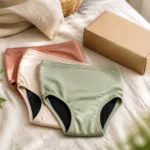
Wearing comfortable clothes can make a big difference. If you wear something that’s too tight, like a tight waistband, it can put extra pressure on your stomach, which might already be feeling sore. So, it’s a good idea to wear soft, breathable underwear that feels gentle against your skin. Lots of women in Sri Lanka have started using reusable period panties, which can be really comfortable and make you feel more confident all day long.
If you experience heavy or painful periods, we have some helpful advice that can make a big difference. Our guide is full of practical tips that you can start using right away to make your periods more manageable.
When to See a Healthcare Professional About Period Pain
It’s normal to feel a bit uncomfortable sometimes, but if the pain is taking over, that’s not okay. There are some great natural ways to deal with everyday cramps, like using pressure points, that can really help. However, there are some signs that mean you should probably go see a doctor, just to be safe.
Consider seeing a healthcare professional if you notice:
- Pain that is severe or getting worse each month
Painful cramps can be a real nuisance, stopping you from doing everyday things like going to work, school, or just getting on with your daily routine.
- Very heavy bleeding or bleeding that lasts unusually long
- Pain at times outside your period
- You might also experience other symptoms like having a fever, feeling dizzy, or even fainting.
If you’re dealing with period pain that’s really bad or keeps happening, it might be a sign of something more serious going on. Don’t be afraid to go see a doctor – it’s actually a smart thing to do to take care of yourself. In Sri Lanka, you can talk to a gynaecologist or even your regular family doctor to get started and figure out what’s going on.
Remember, acupressure is a comfort technique, not a replacement for medical advice. Use it to feel calmer, but always reach out for help when something feels off.
Daily Self-Care Routine for Easier, More Comfortable Periods
Building a small routine can make your whole period feel more manageable. You do not need anything fancy — just a few caring habits repeated each cycle.
- Morning: Begin with a warm cup of tea or coffee and take a few deep breaths. Gently press the SP6 or LV3 points for about a minute to help you wake up feeling refreshed and calm.
- Daytime: Keep a warm compress nearby if you are home. At work, take short breaks to stretch your back and shoulders.
In the evening, unwind with a warm shower to help your body relax. After that, spend a few minutes doing acupressure on the points in your lower back and belly while you’re in bed, it can be really calming. This can be a great way to slow down and prepare for a good night’s sleep.
- Throughout the day: Stay hydrated, eat nourishing meals, and change your period underwear as needed to stay fresh.
Taking care of yourself is not just about feeling good, it’s also about feeling ready and sure of yourself. When you have protection that you can count on, you can relax and not worry about accidents. This way, you can focus on taking it easy and recharging, instead of being stressed out about leaks and other problems. If you want more tips on how to create habits that help you, check out our article on making a self-care plan for when you have your period.
The goal is simple: treat yourself with the same kindness you would offer a friend.
Acupressure Myths vs. Facts: What You Should Know
There’s a lot of confusing information out there, so let’s set the record straight and clear up some common misconceptions.
- Myth: Acupressure instantly cures period pain.
- Fact: It is a comfort and relaxation technique. Some women feel relief quickly, others feel gradually calmer. It is not a guaranteed cure.
- Myth: Pressing harder works better.
- Fact: Gentle, steady pressure is more effective and safer than forceful pressing.
- Myth: Acupressure can replace medical care.
- It’s meant to work together with healthy habits, but if you’re dealing with severe or unusual pain, don’t rely on it alone – make sure to get advice from a professional.
- Myth: It only works if you believe in it.
- A lot of people find that taking their time and being mindful of their movements can be really calming. When we’re relaxed, our muscles aren’t as tense, and that can make a big difference in how we feel.
- Myth: All pressure points are safe for everyone.
- Fact: Some points, like LI4, are best avoided during pregnancy. Always check first if you are unsure.
Approaching acupressure with realistic expectations helps you enjoy it as one helpful tool among many.
Frequently Asked Questions
Which pressure point is best for instant period pain relief?
The Spleen 6 point, which is about four finger-widths above the inner ankle bone, can be really helpful for relieving menstrual cramps. To try it out, apply some gentle but firm pressure to the area for about a minute or two, and take some deep breaths while you’re doing it. Since everyone’s body is different, you might need to experiment with a few different points to find what works best for you.
How long should I press each pressure point for period cramps?
When it comes to applying pressure, a good rule of thumb is to go for steady and comfortable pressure that feels soothing, not painful. Aim for 1 to 3 minutes per point, and don’t be afraid to repeat as needed. The key is to be gentle, so avoid pressing too hard – if it starts to hurt, ease off a bit. It’s also important to remember that consistency is key, so trying it out over a few days can be more effective than one long session. This way, you can get a feel for what works best for you and make adjustments as you go.
Is acupressure safe to do during menstruation?
Acupressure is generally considered a gentle self-care practice for many people. However, if you are pregnant, have a medical condition, or experience severe pain, consult a qualified healthcare professional before trying pressure points or other remedies.
Can pressure points replace pain medication for menstrual cramps?
Pressure points can be a helpful way to feel more comfortable and relaxed. But keep in mind, they’re not a substitute for medical care. If you’re dealing with severe pain or it’s affecting your daily life, you should talk to a doctor about it. They can give you the right advice and treatment to help you feel better. Pressure points are more like a complementary technique to help with relaxation, but they shouldn’t replace the care and advice of a healthcare professional.
What else can I do alongside acupressure to feel more comfortable on my period?
Pairing pressure points with a warm compress, gentle stretching, staying hydrated, light movement, and wearing comfortable, leak-proof period underwear can all support a more relaxed period. Building a simple self-care routine helps you feel more in control.
When should I see a doctor about my period pain?
If you’re experiencing really bad period pain that’s getting worse, lasting longer than usual, or coming with heavy bleeding or other symptoms, you should talk to a doctor. Sometimes, persistent pain can be a sign of an underlying issue that needs to be checked out. It’s always better to be safe than sorry, so don’t hesitate to reach out to a healthcare professional if you’re concerned about your symptoms. They can help figure out what’s going on and find a way to make you feel better.
A Gentle Closing Note
Dealing with your period doesn’t have to be a struggle. There are some easy ways to make it more manageable. Try using menstrual pain pressure points, warm compresses, and mindful breathing to help you relax. Wear comfortable clothes that make you feel good. Create a calming routine that works for you and stick to it every month. Remember to be kind to yourself and listen to what your body is telling you. If you need help, don’t hesitate to reach out to a doctor or a medical professional. They can offer you the support and guidance you need to take care of yourself. By taking a few simple steps, you can make your period a lot more bearable.
Feeling safe and loved is where comfort begins. Check out our cozy, reusable period panties at period.lk and get the confidence to take it easy, unwind, and give yourself the care you need, without any worries about leaks.
Curious how it all works? Our reusable period panties guide walks through choosing, wearing and caring for them step by step.
Frequently asked questions
Which pressure point is best for instant period pain relief?
To ease menstrual discomfort, you can try applying pressure to the Spleen 6 point, which is about four finger-widths above the inner ankle bone. Apply gentle, firm pressure for a minute or two while taking deep breaths. Everyone's body is different, so you might need to try a few different points to see what works best for you.
How long should I press each pressure point for period cramps?
Apply pressure steadily and comfortably for about 1 to 3 minutes on each point, and repeat as many times as you need to. Be careful not to press too hard, because if it starts to hurt instead of feeling soothing, ease off a bit. It's better to do it consistently over a few days than one really long session.
Is acupressure safe to do during menstruation?
Acupressure is generally considered a gentle self-care practice for many people. However, if you are pregnant, have a medical condition, or experience severe pain, consult a qualified healthcare professional before trying pressure points or other remedies.
Can pressure points replace pain medication for menstrual cramps?
Pressure points can help you feel more relaxed and comfortable, but they're not a substitute for medical care. If you're dealing with severe pain or it's interfering with your daily life, talk to a doctor. Pressure points are a complement to other comfort techniques, not a replacement for proper medical attention.
What else can I do alongside acupressure to feel more comfortable on my period?
Try combining pressure points with a warm compress, gentle stretching, and staying hydrated. Light movement like a short walk can help too, and wearing comfortable, leak-proof period underwear is a must. Together these build a self-care routine that helps you feel more in control and relaxed during your period.
When should I see a doctor about my period pain?
If you're experiencing really bad period pain that's getting worse, lasting too long, or coming with heavy bleeding or other symptoms, talk to a doctor. Persistent pain can be a sign of an underlying issue that needs checking out, so don't hesitate to reach out if you're concerned about your symptoms.