



No, period blood is not dirty. Menstrual blood is simply blood mixed with uterine (endometrial) tissue, mucus, and vaginal secretions that leaves your body when the uterine lining sheds. It is not toxic waste, and it is not your body flushing out impurities the way urine or stool removes waste. The idea that period blood is dirty is a cultural myth, not a medical fact, and this article unpacks the science, hygiene, and stigma behind it.
Key Takeaways
- Period blood is made of blood, endometrial tissue, mucus, and vaginal secretions — it is a sign of a healthy reproductive cycle, not impurity.
- Menstrual blood is not excretory waste like urine or feces; menstruation is not a detox.
- The vagina is self-cleaning — you should wash the external vulva with water, but never douche or wash internally.
- Fresh period blood usually doesn’t smell bad; strong or fishy odor can signal an infection worth checking.
- Change pads, tampons, cups, or period underwear regularly for comfort and hygiene — not because the blood itself is unclean.
What is period blood actually made of?
Period blood is a mixture of blood, endometrial (uterine lining) tissue, mucus, and normal vaginal secretions. Each month, the lining of your uterus thickens to prepare for a possible pregnancy. When pregnancy doesn’t happen, hormone levels drop and that lining sheds and exits through the vagina — that flow is your period.
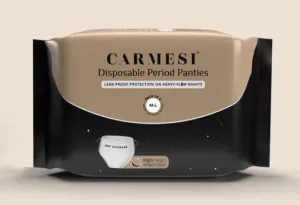
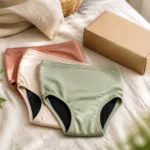
Because of this mix, menstrual blood is slightly thicker than the blood from a cut and can contain small clots of tissue. Over a full period, most people lose only about 30–80 ml (roughly 2–5 tablespoons) of fluid, and only part of that is actual blood. The rest is tissue, mucus, and cervical and vaginal fluid. This composition is one reason people ask whether period blood is different from normal blood — it is the same blood, simply combined with the shed lining and secretions from the reproductive tract. Understanding this makes the “dirty” label fall apart: your body isn’t discharging poison, it’s completing a natural, healthy cycle. If you’re new to managing flow comfortably, our reusable period underwear range is designed to hold this normal flow securely.

Why do people believe period blood is dirty — and why is that wrong?
People believe period blood is dirty largely because of long-standing cultural taboos, not because of any medical evidence. For generations, menstruation has been surrounded by silence and shame, and in many communities menstruating people have been told to stay separate, avoid cooking, or keep away from religious or social spaces. These practices reinforced the false idea that a period makes a person or their blood “impure.”
Here is the myth-versus-fact reality:
- Myth: Period blood is toxic or dirty. Fact: It’s living tissue and blood — the same substances circulating in your body.
- Myth: A period means your body is unclean. Fact: Menstruation is a marker of hormonal and reproductive health.
- Myth: You must isolate or hide during your period. Fact: There is no biological reason to be excluded from any activity.
Some searchers specifically ask whether period blood is pure or impure in Islam and other faith traditions. Religious rules about menstruation typically concern ritual practice, not the biological cleanliness of the blood itself — and interpretations vary widely. Medically, there is nothing unclean about menstrual fluid. Choosing comfortable, reliable protection like leakproof period panties can help anyone feel confident participating fully in daily life.
Is period blood the same as waste like urine or feces?
No — period blood is not excretory waste, and menstruation is not a detox. Urine and feces are the end products your body creates specifically to remove metabolic waste and toxins. Menstrual blood is completely different: it’s the shedding of a nutrient-rich tissue your body built on purpose. Nothing about a period is your system “flushing out impurities.”
This distinction matters for people who wonder whether period blood is cleaner than pee. While it isn’t meaningful to rank body fluids as “clean” or “dirty,” the key point is that menstrual blood and urine come from entirely separate systems and serve entirely different purposes. Here’s a simple comparison:
| Feature | Period blood | Urine / feces |
|---|---|---|
| Purpose | Sheds unused uterine lining | Removes metabolic waste |
| Made of | Blood, tissue, mucus, secretions | Water, salts, waste byproducts |
| Is it a “detox”? | No | Yes, that’s its function |
| Sign of health? | Yes — regular cycle | Normal excretion |
So when you frame it correctly, a period is a sign your body is working — not a sign of contamination.
Do you need to wash inside your vagina during your period?
No. Your vagina is a self-cleaning organ that naturally balances its own bacteria and pH — you never need to wash inside it or use “feminine hygiene” cleansers. During your period, gently wash the external vulva with warm water (and a mild, unscented cleanser if you like), and that’s enough.
Douching or using scented washes, wipes, or sprays can actually cause harm by disrupting the vagina’s healthy microbiome. This can raise the risk of irritation, bacterial vaginosis (BV), and yeast infections — the opposite of “clean.” The healthy vaginal microbiome is dominated by protective Lactobacillus bacteria that keep the environment slightly acidic and discourage harmful microbes. Interestingly, the vagina hosts far fewer bacterial species than the mouth or gut, both of which we consider perfectly normal. Simple, sensible menstrual hygiene includes:
- Washing your hands before and after changing period products
- Changing pads or tampons regularly and cleaning reusable cups as directed
- Rinsing the vulva with water, not soap-scrubbing inside
- Wearing breathable protection like reusable period panties that wick moisture
Why does period blood sometimes smell, and when is odor a problem?
Fresh period blood usually has little to no strong smell. A mild, slightly metallic or “iron” scent is completely normal and comes from the iron in blood. A faint odor can also develop when blood is exposed to air and bacteria on a pad over several hours — which is simply a reason to change your product, not a sign of disease.
However, a strong fishy, foul, or noticeably unpleasant odor can be a signal of an infection such as bacterial vaginosis, and a thick, itchy, cottage-cheese-like discharge may point to a yeast infection. These are common and treatable — but they deserve attention. Odor becomes a medical concern (rather than a hygiene one) when it’s persistent, strong, or comes with itching, burning, unusual discharge, or discomfort. If that happens, see a healthcare professional rather than reaching for scented products, which can make irritation worse. For everyday freshness during your cycle, our guide on choosing period underwear in Sri Lanka can help you stay comfortable and dry.
Can period blood transmit infections or make someone sick?
Touching period blood cannot make you or someone else sick under normal circumstances — it is not inherently harmful. Everyday contact with your own menstrual blood carries essentially no risk. The main caveat is that, like any blood, menstrual blood can theoretically carry blood-borne viruses such as HIV or hepatitis if the person is already infected. General hygiene — handwashing and not sharing blood-contaminated items — keeps this risk low.
This is where reproductive health literacy matters. Menstrual blood being normal doesn’t mean sexually transmitted infections can’t spread during a period; STI risk relates to sexual contact, not to the “cleanliness” of the blood. Similarly, heavy bleeding, severe pain, or unusual clots aren’t caused by “dirty” blood — they can be signs of conditions like fibroids or endometriosis that deserve medical evaluation. Separating these ideas helps you respond to your body accurately instead of anxiously.
Is it safe to have sex during your period?
Yes, sex during your period is generally safe and hygienic. Menstrual blood is not dirty, and many people find period sex offers natural lubrication and, for some, relief from cramps. Using a towel and communicating with your partner handles any mess easily.
Two practical reminders: pregnancy is still possible during a period, and barrier protection like condoms both prevents pregnancy and reduces STI transmission — which is the real safety consideration, not any imagined impurity. If either partner has been raised to believe periods are shameful, a calm, factual conversation helps. You might say: “Period blood is just blood and tissue from a normal cycle — it’s not dirty, and there’s no health reason to avoid closeness.” These same scripts work with family members or peers who repeat old taboos. Reducing stigma at home is one of the most powerful ways to normalize menstruation.
What do period blood color and clots mean?
Period blood colour changes across your cycle and is usually normal. Bright red often appears during active flow, while darker brown or black blood is simply older blood that took longer to leave the body — commonly seen at the very start or end of a period.
Many people search whether brown period blood is a sign of pregnancy. Brown spotting can occur for many reasons, and while some people notice light spotting in very early pregnancy (sometimes called implantation bleeding), brown discharge alone is not a reliable pregnancy sign. When it comes to early pregnancy period blood colors, spotting tends to be lighter, shorter, and pinker or browner than a normal period — but only a pregnancy test and a healthcare provider can confirm pregnancy. Small clots are usually normal too. Consider seeing a doctor if you have:
- Very heavy bleeding (soaking through protection every hour)
- Clots larger than a coin, frequently
- Severe pain, or bleeding between periods
- Strong odor with unusual discharge, itching, or fever
New to reusable protection? Start with our complete guide to period panties in Sri Lanka — sizing, absorbency, care and where to buy.
Frequently Asked Questions
Is period blood dirty or harmful to touch?
No. Period blood is blood mixed with uterine tissue, mucus, and vaginal secretions. Touching your own menstrual blood is harmless; simply wash your hands afterward as normal hygiene.
Is menstrual blood just waste or toxins being flushed out?
No. Menstruation is not a detox. Unlike urine or feces, period blood isn’t a waste product — it’s the shedding of a purpose-built uterine lining and a sign of a healthy cycle.
Do I need to wash inside my vagina or use special cleansers during my period?
No. The vagina cleans itself. Wash the external vulva with water; avoid douching and scented products, which can disrupt pH and cause infections.
Can period blood transmit HIV or other STIs?
Like any blood, menstrual blood can carry blood-borne viruses if a person is infected, but everyday contact is low risk. Handwashing and barrier protection during sex reduce risk.
Why does my period sometimes smell, and when is it an infection?
A mild metallic smell is normal. A strong, fishy, or foul odor — especially with itching, burning, or unusual discharge — may signal an infection and is worth checking with a doctor.
Is it safe to have sex during my period?
Yes. Period sex is safe and hygienic. Use protection to prevent pregnancy and STIs, and a towel for comfort. Menstrual blood is not dirty.
What do clots or brown period blood mean?
Small clots and brown (older) blood are usually normal. Brown blood alone is not a reliable pregnancy sign. See a doctor for very heavy bleeding, large frequent clots, or severe pain.
How often should I change my period products?
Change pads and tampons every 4–8 hours, empty cups as directed, and rinse or swap period underwear based on flow — for comfort and freshness, not because blood is unclean.
The bottom line
Period blood is not dirty, impure, or toxic — it’s a normal, healthy mix of blood and tissue that signals your body is working as it should. The real problem isn’t the blood; it’s the stigma. When we replace shame with facts, people gain the confidence to manage their cycles, seek care when symptoms are unusual, and participate fully in school, work, and life. Practising simple hygiene — handwashing, changing products regularly, washing only the vulva — is about comfort, not cleansing away impurity.
Ready to feel fresh, dry, and confident every day of your cycle? Explore period.lk’s reusable, leakproof period underwear — breathable, comfortable protection designed for women across Sri Lanka. Because your period is a sign of health, and you deserve to move through it with ease.