

Learning how to use a menstrual cup is simpler than it looks: wash your hands, fold the cup (a C-fold or punch-down fold works best), relax your pelvic floor, and gently insert it low in the vagina angled toward your tailbone. Once inside, let it spring open and run a finger around the base to check the seal. You can wear it for 6–12 hours, then remove it by pinching the base to release suction, empty, rinse, and reinsert. That is the whole process in a nutshell — and if you are nervous about your first try, this guide walks you through every step with warmth and zero judgement.
Switching to a cup is a big, empowering change. It is normal to feel unsure the first time, so we will go slowly and cover folds, positioning, cleaning, troubleshooting, and the questions Sri Lankan women ask most.
Key Takeaways
- Relaxation is everything: a tense pelvic floor makes insertion hard — breathe slowly and try squatting or lifting one leg.
- The seal stops leaks: after inserting, run a finger around the base to feel it has fully popped open.
- A cup can safely stay in for up to 12 hours, including overnight, and is emptied 2–3 times a day depending on flow.
- Break the suction before removing — never pull the stem alone.
- One good cup lasts years, making it far cheaper and greener than pads or tampons over time.
What is a menstrual cup and how is it different from pads or tampons?
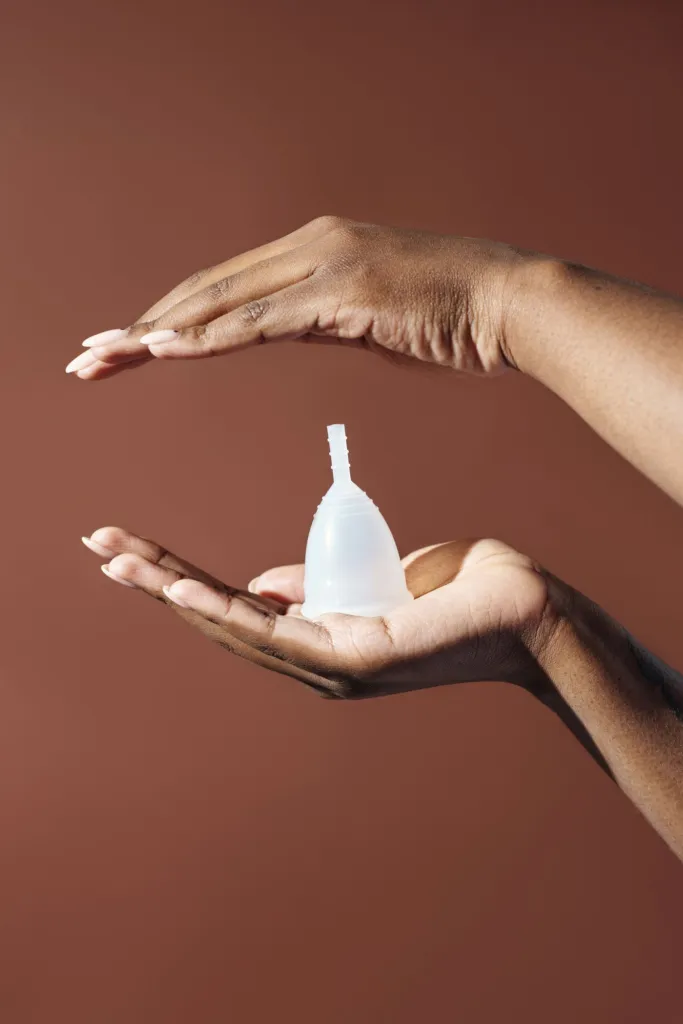
A menstrual cup is a small, flexible, bell-shaped cup — usually made from soft medical-grade silicone (sometimes rubber or latex) — that you insert into the vagina to collect menstrual blood rather than absorb it like a pad or tampon. That single difference changes a lot. Because it collects instead of absorbing, a cup does not dry out your natural moisture, can hold more fluid, and can be reused for years instead of thrown away after each use.
A pad sits outside your body, a tampon absorbs internally and needs changing every 4–6 hours, but a cup forms a gentle seal and can stay in place far longer. Medical-grade silicone is soft, body-safe, and non-absorbent, which is also why cups are associated with a lower risk of the rare condition Toxic Shock Syndrome (TSS) than tampons. If you are still weighing your options, our overview of reusable period products in Sri Lanka compares cups, cloth pads and period underwear side by side.
How do I choose the right menstrual cup size and firmness?
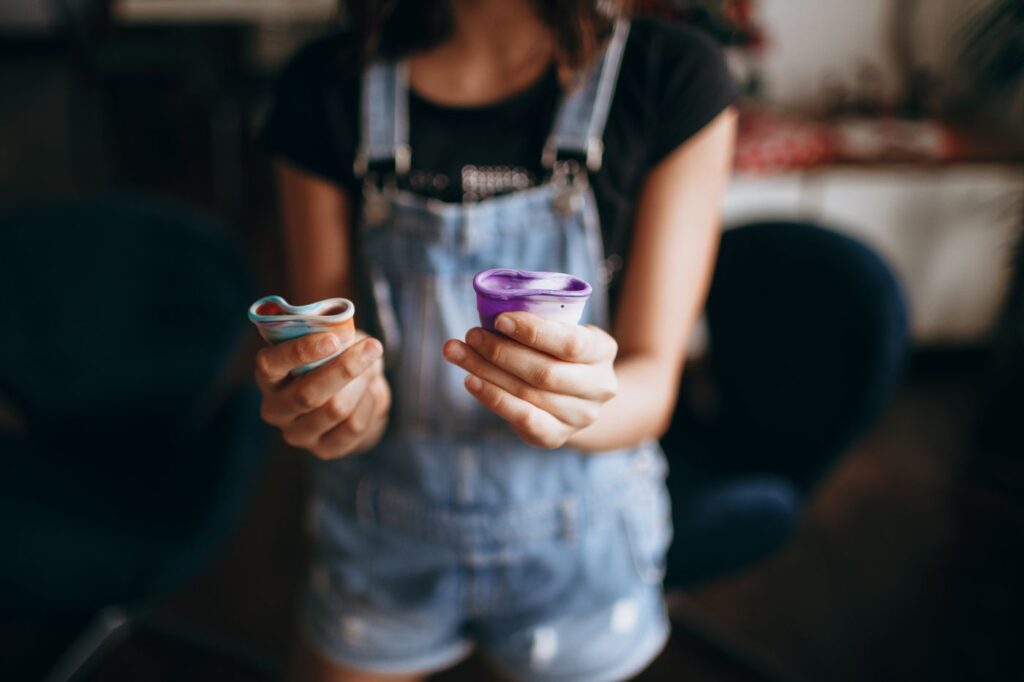
Choose your cup size based mainly on your age, whether you have given birth vaginally, and your flow — and choose firmness based on your sensitivity and pelvic floor strength. Most brands offer two sizes:
| Factor | Smaller cup | Larger cup |
|---|---|---|
| Age | Under 30 | 30+ |
| Childbirth | No vaginal birth | Given birth vaginally |
| Flow | Light to medium | Heavy |
| Cervix height | Low cervix | Average to high cervix |
Firmness matters too. A softer cup is gentler and better if you have a sensitive bladder or find pressure uncomfortable, while a firmer cup pops open more easily and holds its seal well. If you have a strong pelvic floor (for example, from yoga or exercise), a firmer cup may resist being squeezed. The best menstrual cup is simply the one that matches your body — there is no single winner for everyone. To find your cervix height, insert a clean finger during your period: if you reach the cervix at the first knuckle, you have a low cervix and should pick a shorter cup.
How do I fold and insert a menstrual cup step by step?
Fold the cup to make it small, insert it low and angled toward your tailbone, then let it open to form a seal. Here is the step-by-step method most first-time users find easiest:
- Wash your hands and, if you like, rinse the cup.
- Choose a fold. The three most popular are:
- C-fold: flatten the cup and fold it in half into a C or U shape. Simple and reliable.
- Punch-down fold: push one rim down into the base with your finger, making a smaller tip. Great for a snugger opening.
- 7-fold (triangle): flatten, then fold one corner diagonally down to make a smaller point.
- Get comfortable. Try squatting, standing with one leg up on the toilet or bath edge, or lying down. Breathe slowly and relax your pelvic floor — tension is the main reason insertion feels difficult.
- Insert gently, aiming the cup toward your tailbone (not straight up). The cup sits lower than a tampon, just inside the vaginal opening.
- Let it open. Once inside, release the fold. You may hear or feel a soft “pop” as it springs open.
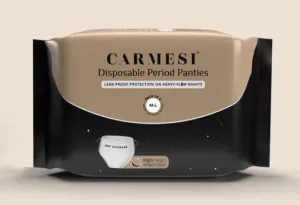
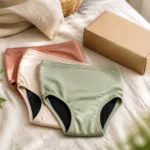
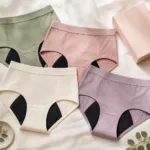
A dab of water-based lubricant on the rim can make the first insertion smoother. If you would like something for the transition days while you build confidence, keep a pair of leakproof period panties on hand as gentle back-up.
How do I check the seal so my cup doesn’t leak?
Check the seal by running a clean finger all the way around the base of the cup to feel for any dents or folds — a fully open cup feels round, not caved in. If you feel a flat spot, the cup hasn’t opened completely and may leak. To fix it, gently rotate the cup by holding the base and turning, or pinch the base and let it re-inflate, or push against the vaginal wall to encourage it open.
The stem should sit just inside the opening — if it pokes out and bothers you, your cup may be too long for your cervix height, or you can trim the stem a little at a time. Most importantly, a correctly placed cup sits below the cervix so it catches everything. If you consistently leak despite a good seal, the cup might be sitting beside your cervix rather than under it. Learning how to use a menstrual cup without leaks is mostly about this one habit: always confirm the seal before you carry on with your day.
How long can I wear a menstrual cup and can I sleep with it?
You can safely wear a menstrual cup for up to 12 hours, including overnight while you sleep. On a heavy day you may need to empty it every 6–8 hours; on lighter days it can comfortably go the full 12. A cup holds much more than a tampon, which is why many women love it for long work days, travel, exams, and uninterrupted sleep.
A simple rhythm is to empty it in the morning and again at night, adding a midday empty on your heaviest days. When you take it out, empty the contents into the toilet, rinse, and reinsert. Cups are also excellent for sports and swimming because nothing hangs outside the body. If your cycle is very heavy or irregular and you are unsure how often to empty, start by checking every 4–6 hours until you learn your own pattern.
How do I remove a menstrual cup, especially if it feels stuck?
Remove a menstrual cup by relaxing, bearing down gently with your pelvic muscles, then pinching the base of the cup to break the suction seal — never pull on the stem alone. Breaking the seal is the secret; without it the cup grips and feels stuck.
- Wash your hands and sit or squat comfortably.
- Bear down (like a gentle push) to bring the cup lower.
- Reach the stem, then follow it up to the base with your fingers.
- Pinch the base to let air in and release suction.
- Ease the cup out slowly, keeping it upright to avoid spills.
If you can’t reach the stem, do not panic — a cup cannot get lost inside you because the cervix blocks it from going anywhere. Relax, breathe, and bear down more; the cup will move lower until you can reach it. Staying calm relaxes the pelvic floor and makes removal much easier. If removal is ever genuinely painful or the cup won’t budge after repeated calm attempts, it is fine to see a doctor for help.
How do I clean and sterilize a menstrual cup at home and when I’m out?
Between uses during your period, rinse the cup with water and, if you like, a mild unscented soap, then reinsert. Between cycles, sterilize it by boiling in water for 5–10 minutes. Keeping it clean is simple and protects you from irritation.
- During the cycle: empty, rinse under running water, and reinsert. A quick wipe with clean water or a cup wipe works if you are in a shared or public bathroom without a private sink.
- No sink nearby? Empty into the toilet, wipe the cup with clean tissue or a fragrance-free wipe, and rinse properly at your next chance.
- Between periods: boil the cup in water for 5–10 minutes, let it cool, and store it in its breathable cotton pouch — never an airtight box.
Living with family or sharing a bathroom is very common in Sri Lanka, and privacy is a real concern. A cup actually helps here: it is emptied inside a closed toilet cubicle and needs far fewer bathroom trips than pads. Carrying a small water bottle into the cubicle lets you rinse discreetly. For everyday freshness, some women pair their cup with period panties so they feel secure with no visible packaging to manage.
Are menstrual cups safe, and can I use one with an IUD or if I’ve never had sex?
Menstrual cups made from medical-grade silicone are widely considered safe, with a lower reported risk of TSS than tampons and no evidence of increased infection when used and cleaned properly. Mild menstrual cup side effects for beginners can include a little cramping or discomfort while you learn placement, which usually settles as you get the technique right.
You can use a cup even if you have never had sex — a cup does not affect virginity, though you may prefer a smaller, softer cup and extra lubricant at first. If you have an IUD, many people use cups successfully; because there is a small chance the suction could disturb the strings, break the seal fully before removal and consider checking with your doctor. A cup will not stretch your vagina permanently — the vaginal walls are elastic and return to normal. If you experience severe pain, unusual discharge, fever, or symptoms that worry you, stop using the cup and consult a healthcare professional.
Beginner tips: how do I make my first time easier?
The single best tip is to practise before your period so there is no pressure. Insert and remove the cup a few times when you are calm to build muscle memory. A few more first-timer favourites:
- Use a mirror to learn your own anatomy and find the angle toward your tailbone.
- Apply a little water-based lube on the folded rim.
- Watch a reputable how to use a menstrual cup video or a live demo to see the folds in motion — visuals make the steps click.
- Empty over the toilet or in the shower on messy days.
- Give yourself two or three cycles to feel fully confident. It is a skill, and it does get easy.
Where can I buy a menstrual cup in Sri Lanka and how much does it cost?
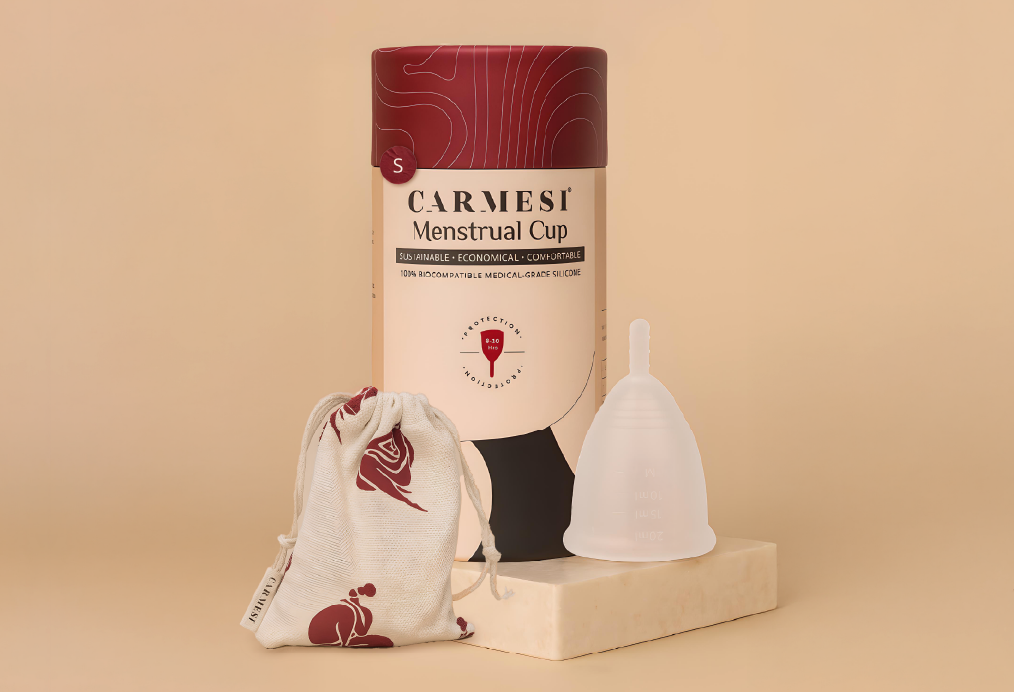
You can buy quality menstrual cups in Sri Lanka directly from period.lk, with cash on delivery and discreet packaging so your order stays private. A cup is a one-time purchase that can last for years with proper care, which makes it dramatically cheaper over time than buying disposable pads or tampons every month — and far kinder to the environment, with one cup replacing thousands of disposables.
When comparing designs, standard cups have a small stem you follow down to find the base, while pull-tab styles (such as the Flex Cup) have a ring or tab that some people find easier to grip. Both work on the same principle — choose whichever removal style feels most reachable for you.
Curious how it all works? Our reusable period panties guide walks through choosing, wearing and caring for them step by step.
Frequently Asked Questions
Which fold and angle should I use so the cup opens and doesn’t hurt?
Start with the C-fold or punch-down fold and aim the cup toward your tailbone rather than straight up. Insert slowly with relaxed muscles, then run a finger around the base to check it has fully opened. Discomfort usually means the cup is sitting too high or hasn’t sealed — reposition and it should feel like nothing at all.
How do I choose the right size and firmness?
Pick a smaller cup if you are under 30, have not given birth vaginally, or have a low cervix, and a larger cup for heavier flow or after a vaginal birth. Choose a softer cup for a sensitive bladder and a firmer one if you want it to pop open easily.
How long can I wear it and can I sleep with it?
You can wear a menstrual cup for up to 12 hours, including overnight. Empty it every 6–8 hours on heavy days and up to 12 hours on light days, then rinse and reinsert.
What if I can’t reach the stem or it feels stuck?
Relax and bear down with your pelvic muscles to bring the cup lower, then pinch the base to release the suction before easing it out. A cup cannot get lost inside you, so stay calm — panic tightens the muscles and makes it harder.
How do I clean it when I’m out without a private sink?
Empty the cup into the toilet, wipe it with clean tissue or a fragrance-free wipe, and reinsert. Rinse it thoroughly at your next chance, and boil it 5–10 minutes between cycles.
Can I use a cup with an IUD or if I’ve never had sex?
Yes to both for most people. Break the suction fully before removal to protect IUD strings, and if you have never had sex, choose a smaller, softer cup and use lubricant. Check with your doctor if you have any concerns.
How do I stop leaks?
Make sure the cup is fully open and sealed by feeling around the base for dents, and confirm it sits below your cervix. Most leaks come from an incomplete seal or the cup missing the cervix, both fixed by repositioning.
How much does a cup cost compared to pads and how long does it last?
A menstrual cup is a single purchase that can last for years with proper care, making it far cheaper than monthly disposables and much better for the environment.
Ready to make the switch?
Learning how to use a menstrual cup takes a cycle or two of patience, but once it clicks, most women never look back — no monthly runs to the shop, fewer bathroom trips, and real savings. Take it slowly, relax, and be kind to yourself as you learn. When you are ready, explore the menstrual cups and reusable period care at period.lk, delivered across Sri Lanka with cash on delivery and discreet packaging. If you ever have pain or unusual symptoms, please check in with a healthcare professional — your comfort and health always come first.