
This first period guide for teenagers is here to make one thing clear: your first period is a completely normal, healthy part of growing up, and there is nothing to be scared or ashamed of. A first period usually arrives between ages 9 and 15, often a year or two after your breasts start developing. With a little preparation and the right supplies, you can handle it calmly at home, at school, or anywhere else.
Whether you are a teen reading this yourself or a parent looking for the right words, this guide walks through what a period is, what to expect, how to prepare a period kit, and how to feel confident every step of the way.
Key Takeaways
- Most people get their first period between ages 9 and 15, typically after breast growth, pubic hair, and vaginal discharge appear.
- Early periods are often light, irregular, and unpredictable for the first 1–2 years — this is normal.
- A ready-to-go period kit (pads or period underwear, spare underwear, wipes, and a discreet pouch) removes most first-period stress.
- See a doctor for very heavy bleeding, severe pain, or no period by age 15.
- Periods are for all teens who menstruate — including trans and non-binary teens — and are never something to be embarrassed about.
What Is a Period and Why Does Bleeding Happen Each Month?
A period is your body shedding the lining of the uterus (womb) once a month, which comes out as blood through the vagina. Here is the simple version: each month, hormones tell your body to build up a soft, blood-rich lining inside the uterus in case a pregnancy happens. Around the middle of the cycle, an ovary releases a tiny egg (ovulation). If that egg is not fertilised, the lining is not needed, so your body gently releases it — and that is your period.
The whole loop is called the menstrual cycle, and it is powered by hormones like oestrogen and progesterone. A full cycle is usually counted from the first day of one period to the first day of the next, often around 21 to 35 days once your body settles into a rhythm. In the first couple of years, though, cycles can be all over the place — that is expected. If you would like a beginner-friendly overview, our period education blog breaks the basics down without any confusing jargon.
At What Age Does a First Period Usually Start?
Most teens get their first period between the ages of 9 and 15, with the average around 12. Your period doesn’t arrive out of nowhere — it follows a set of puberty milestones. Usually breasts begin developing first, then pubic and underarm hair appears, and a few months before your period you may notice a whitish or clear vaginal discharge on your underwear. That discharge is a helpful signal that your first period is likely on its way within the coming months.
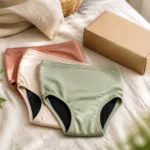
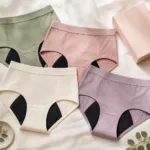
It is completely normal if you start earlier or later than your friends. Bodies grow on their own timelines, influenced by genetics, nutrition, and overall health. Some people start at 10 and some at 15 — both are healthy. What matters is knowing what to expect so you feel prepared rather than surprised. If you are a parent, this is a great moment to gently start the conversation and set up a first-period kit together. Comfortable reusable period underwear can be a reassuring “just in case” item to keep ready before that first period even arrives.
What Are the First Period and Early Cycles Actually Like?
Your first period is often light and short — sometimes just a little brownish or dark red spotting rather than a heavy flow. Blood may look bright red, dark red, or brown, and all of these are normal colours. Bleeding usually lasts between 2 and 7 days.
In the first 1–2 years, your periods may be irregular: they might come every few weeks, skip a month or two, or vary in heaviness. This happens because your hormones are still finding their balance, and it usually settles over time. Here is a rough sense of what “normal” early cycles look like:
- Length of bleeding: 2–7 days
- Cycle gap: often 21–45 days early on, settling toward 21–35 days
- Flow: light to moderate; changing a pad or period panty every 4–6 hours is typical
- Colour: brown, dark red, or bright red
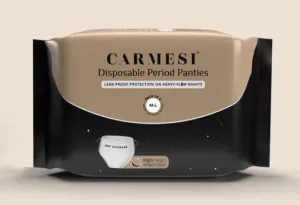
If you are ever soaking through a pad every hour or two, that is worth mentioning to a trusted adult or doctor. To feel secure overnight while your flow is unpredictable, many teens like starting with leak-resistant period panties designed to hold more than a regular pad.
Which Period Products Should a Teen Start With?
There is no single “right” product — the best choice is whatever feels comfortable and manageable for you. Here is a quick comparison to help you decide.
| Product | How it works | Change every | Good for beginners? |
|---|---|---|---|
| Pads | Stick inside underwear, absorb flow | 4–6 hours | Yes — easy and familiar |
| Panty liners | Thin pads for light days/discharge | 4–6 hours | Yes — good backup |
| Period underwear | Washable underwear that absorbs flow | Wear 6–12 hours, then wash | Yes — comfy, no fuss |
| Tampons | Inserted into the vagina | 4–8 hours | Optional — takes practice |
| Menstrual cups | Silicone cup collects flow | Up to 8–12 hours | Later, when confident |
Many Sri Lankan teens begin with pads because they are simple, then explore reusable period panties for extra comfort and confidence — especially for sleep, school, and sports. Reusable options are also budget-friendly over time and reduce waste. Whatever you choose, always change products regularly, wash your hands, and never leave a tampon in longer than recommended.
How Do You Build a First-Period or “Period Emergency” Kit?
A period kit is a small, discreet pouch you keep in your school bag so a surprise period never catches you off guard. Packing one is one of the most empowering things you can do before your first period arrives.
Your kit should include:
- 2–3 pads or a spare pair of period underwear
- A clean spare pair of regular underwear
- Wet wipes or tissues
- A small sealable bag for used products
- A dark-coloured jacket or extra clothing to tie around your waist if needed
- Pain relief (if a parent allows) such as ibuprofen
- A discreet zip pouch to keep it all private
Keep one kit in your school bag and a backup in your locker or PE bag. Parents can help restock it each month — a quiet, caring way to stay involved without making it awkward.
What Should You Do if Your Period Starts at School or a Friend’s House?
If your period starts unexpectedly, stay calm — this happens to almost everyone at some point, and it is manageable. If you have your period kit, head to the bathroom, put on a pad or change into your period panties, and carry on with your day.
If you are caught without supplies, here are simple scripts you can use:
- Asking a teacher: “May I go to the bathroom? I’ve got my period and need a moment.” Female teachers and the school nurse have helped many students before.
- Asking a friend: “Hey, do you have a pad I could borrow?” Most friends will happily help.
- Managing a leak: Tie a jacket around your waist, fold tissue into your underwear as a temporary pad, and head to the bathroom calmly.
At a sleepover, quietly tell a friend or their parent — they will understand. Bloodstains usually rinse out with cold water (never hot, which sets the stain). A small stain is not an emergency; it is just laundry.
Can You Exercise, Swim, and Play Sports on Your Period?
Yes — you can absolutely swim, run, dance, and play sports during your period, and gentle movement can even ease cramps. For swimming, a tampon or menstrual cup works best, since pads absorb pool water. For land sports and PE, snug period underwear or a pad both work well, and moisture-wicking activewear keeps you comfortable.
Exercise releases endorphins, your body’s natural feel-good chemicals, which can reduce cramp discomfort. If you feel tired or achy, it is also fine to take it easier — listen to your body. There is no medical reason to skip activities you enjoy just because you have your period. Staying active is part of overall wellbeing, and pairing movement with a good sports bra and reliable protection helps you focus on the game, not your flow.
How Do You Know if Cramps and Mood Changes Are Normal?
Mild cramps, bloating, tender breasts, acne, tiredness, and mood swings in the days before and during your period are all common and usually normal — this is often called PMS. You can ease these symptoms with self-care:
- A warm water bottle or heating pad on your lower belly
- Rest and gentle stretching or walking
- Iron-rich foods like leafy greens, beans, and fish to support your body
- Plenty of water and, if a parent agrees, pain relief such as ibuprofen or naproxen
Emotionally, it is normal to feel a bit low, irritable, or sensitive around your period. But if sadness, anxiety, or mood changes feel intense, last a long time, or make daily life hard, that is worth talking about with a parent, school counsellor, or doctor. Your mental health matters just as much as your physical health, and periods should never leave you feeling overwhelmed alone.
See a doctor if you have severe pain that stops you attending school, bleeding that soaks a pad every hour, periods lasting longer than 7 days, or no period by age 15.
How Do You Track Your Cycle (and Keep It Private)?
Cycle tracking simply means noting the first and last day of each period so you can spot your pattern over time. In the first year or two, it may look irregular — that is expected — but tracking still helps you predict and prepare.
You can track in low-tech or high-tech ways:
- Paper calendar or diary: mark your start day with a small symbol — private and shares no data.
- Notes app on a phone: discreet and always with you.
- Period apps: handy, but check the privacy settings, avoid apps that share data, and think twice on shared or family devices.
If you share a phone with family or don’t have a smartphone, a small paper note tucked in your diary works perfectly. The goal is understanding your own body, not tracking perfectly.
What Should Parents Know About Talking to Teens About Periods?
The most helpful thing a parent can do is start the conversation early, calmly, and without shame. In many Sri Lankan families, periods carry old taboos, but leading with warmth changes everything. You don’t need a big formal talk — small, everyday chats work best. Try: “Your body is going to start changing soon, and I’m always here for any questions.”
Reassure your teen that periods are natural and that every person who menstruates goes through this — including some trans and non-binary teens, so kind, inclusive language helps everyone feel safe. Also remember that once periods begin, the body can become capable of pregnancy, so age-appropriate conversations about bodies and consent become important too. If talking feels hard, sharing a trusted resource like this guide or our learning hub can open the door gently.
For everything in one place, read our complete period panties buyer’s guide covering sizing, absorbency levels and prices in LKR.
Frequently Asked Questions
At what age do most people get their first period?
Most people get their first period between ages 9 and 15, with about 12 being average. Starting earlier or later than your friends is usually normal, since bodies develop on their own schedules. It typically arrives a year or two after breast development begins.
How long should my first period last, and how much bleeding is normal?
A first period usually lasts 2 to 7 days and is often light, sometimes just spotting. Changing a pad or period underwear every 4–6 hours is typical. Soaking through protection every hour, or bleeding longer than 7 days, is worth checking with a doctor.
Which period product is best for a beginner?
Pads and reusable period underwear are the easiest for beginners because they need no insertion and feel comfortable. Tampons and menstrual cups are options you can explore later once you feel confident. Choose whatever feels manageable and comfortable for your body and daily routine.
What if my period starts unexpectedly at school?
Stay calm and go to the bathroom. Use a pad or period underwear from your kit, ask a friend or the school nurse for supplies, or fold tissue into your underwear as a temporary fix. Tie a jacket around your waist if you’re worried about a leak.
Can I swim and play sports during my period?
Yes. You can swim, run, and play any sport on your period. Use a tampon or menstrual cup for swimming, and period underwear or a pad for other activities. Gentle exercise can even help reduce cramps thanks to natural feel-good hormones.
Are irregular periods normal in the first years?
Yes, very much so. For the first 1–2 years, periods can be irregular — arriving early, late, or skipping a month — because hormones are still balancing. This usually settles over time. See a doctor if periods stop for several months or become extremely heavy.
When should I see a doctor about my period?
Talk to a trusted adult or doctor if you have no period by age 15, very heavy bleeding that soaks a pad hourly, periods lasting over 7 days, severe pain that disrupts school, or periods that suddenly stop. These are simply worth checking, not reasons to panic.
How can parents start the conversation comfortably?
Begin early with short, calm, everyday chats rather than one big talk. Reassure your teen that periods are natural and nothing to be ashamed of, use inclusive language, and keep a period kit ready together. Sharing a trusted resource can make the first conversation easier.
Your First Period, Made Simple
Your first period is a normal, healthy milestone — not something to fear. With a well-stocked period kit, a little knowledge, and a trusted adult to talk to, you can face it with confidence. Remember that irregular early cycles, mild cramps, and a mix of emotions are all part of the process, and support is always available when you need it.
If you’d like a comfortable, reusable, and worry-free way to start, explore our range of soft, leak-resistant period underwear designed for teens in Sri Lanka — a kind, easy first step for you or your daughter. Visit period.lk to learn more and get period-ready today.