


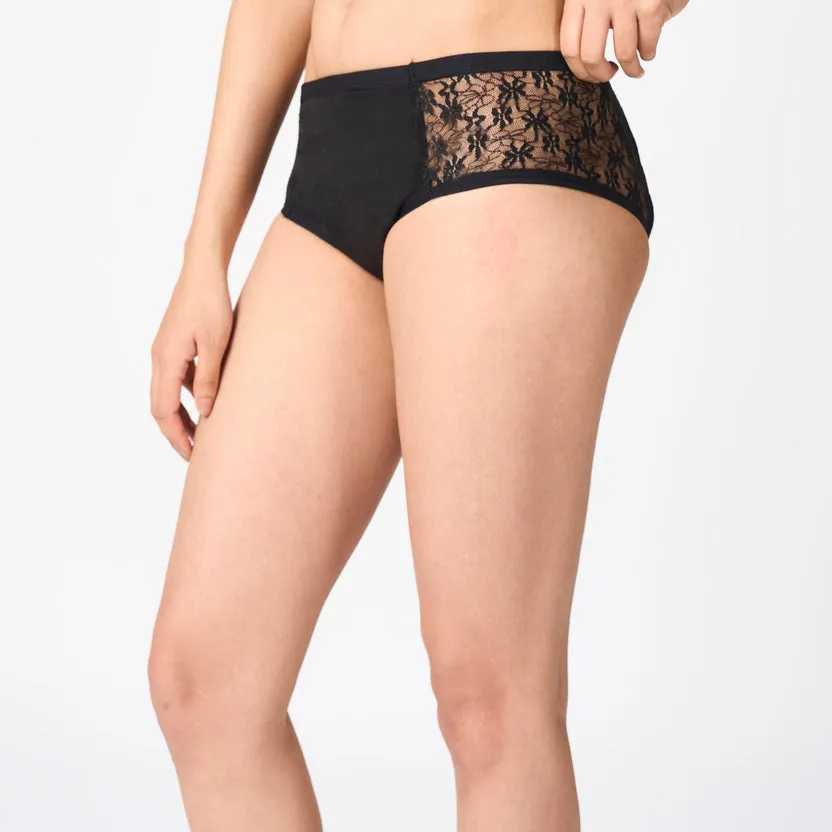
Washing and caring for period panties is simple once you know the routine: rinse them in cold water until it runs clear, wash on a gentle cycle (or by hand) with a mild, fragrance-free detergent below 40°C, skip fabric softener and bleach entirely, and air dry flat or hung out of direct heat. Follow this consistently and a quality pair of period panties can comfortably last two years or more. Below is the deepest, most practical care guide we could write for real life in Sri Lanka—monsoon humidity, shared laundry, sensitive skin and all.
Key Takeaways
- Always cold-rinse first. Cold water lifts blood out of the fabric; hot water cooks the protein in blood and sets stains permanently.
- Use mild, fragrance-free detergent only. Fabric softener, bleach, and whiteners clog or damage the absorbent layers and shorten lifespan.
- Air dry, never tumble on high heat. Heat degrades the waterproof (TPU) layer and stretches the elastic.
- Machine washing is fine in a mesh bag on a cold, gentle cycle—hand washing is gentler but not mandatory.
- Expect 2+ years of use (roughly 50–100+ washes) when cared for properly; rotate several pairs to extend that.
New to reusables and still choosing your first set? Our complete buyer’s guide to period panties in Sri Lanka covers sizing, absorbency and styles—this article focuses purely on keeping them clean, fresh and long-lasting.
What is the correct step-by-step routine for washing period panties?
The correct routine has four clear stages: rinse cold, wash gentle, avoid the wrong products, and air dry. Doing them in order is what protects both hygiene and the fabric.
- Rinse immediately (or as soon as practical). When you take the pair off, hold the gusset under a cold tap and rinse from the back of the fabric through to the front until the water runs from pink to clear. This usually takes 30–60 seconds.
- Store safely if you can’t wash yet. After rinsing, wring gently and hang to dry, or keep in a breathable wet bag—not a sealed plastic bag for days, which encourages odour and bacteria.
- Wash within 24–48 hours. Hand wash with mild soap, or machine wash on a cold, gentle cycle inside a mesh laundry bag.
- Air dry fully. Lay flat or hang in a ventilated spot away from direct high heat until completely dry.
That’s the whole cycle. The steps below explain the “why” behind each one so you can adapt them to your own home, water and climate. If you’re still deciding which absorbency level suits your flow, browse the styles in our reusable period panties collection first, then match your care routine to the fabric.
Why must you rinse period panties in cold water first?
You rinse in cold water first because blood is protein-based, and heat causes protein to coagulate and bond permanently to fibres—exactly what you don’t want. Cold water keeps the blood liquid and loose so it flushes out instead of setting into a brown stain.
Rinse from the inside of the gusset outward so you’re pushing blood back the way it came rather than driving it deeper into the absorbent core. Keep going until the water runs clear, which is your signal that the surface blood is gone and only trace amounts remain for the wash cycle to handle. A clear-running rinse also dramatically reduces any metallic smell later, because leftover blood is the main source of lingering odour.
If you’re on a heavy day, the water may stay pink for a while—that’s normal, just keep flushing. Never be tempted to use warm or hot water “to clean better.” With period blood, hot water does the opposite: it locks the stain in. Cold is not a suggestion here; it’s the single most important rule in washing and caring for period panties.
Should you hand-wash or machine-wash period panties?
Both work well. Hand washing is the gentlest option and gives you the most control; machine washing is more convenient and perfectly safe when you use a cold, gentle cycle and a mesh bag. Most people do a mix of the two.
| Method | Best for | Pros | Watch out for |
|---|---|---|---|
| Hand wash | Heavy days, delicate lace trims, travel | Gentlest on elastic & TPU; extends lifespan; no dedicated machine load needed | Takes a few minutes; easy to under-rinse detergent |
| Machine wash | Everyday convenience, multiple pairs | Fast; thorough rinse; hands-free | Use mesh bag, cold water, gentle/delicate cycle, no spin on high |
To hand wash: after the cold rinse, work a little mild soap into the gusset, gently massage (don’t scrub aggressively), rinse thoroughly, and press—never wring—out the excess water.
To machine wash: place the pre-rinsed panties in a mesh laundry bag, select a cold or 30°C cycle, use a small amount of gentle detergent, and choose a low or no spin setting to protect the elastic. The mesh bag stops them tangling with zips and hooks that can snag the fabric.
Can you machine wash period panties with your regular laundry?
Yes—once they’ve been cold-rinsed, you can machine wash period panties with your regular clothes, provided you keep the water cold or lukewarm, use a mesh bag, and wash with similar colours. The mesh bag is the key precaution.
The concern people have about “washing them with everything else” is really about two things: hygiene and fabric damage. On hygiene, a normal detergent wash cleans period panties just as effectively as it cleans blood-stained sheets or stained underwear—there’s nothing uniquely unsafe about it once the pair has been rinsed. On fabric damage, the risk isn’t your other clothes; it’s heat and harsh additives. So the rule is simple: if your regular load runs cold with a gentle detergent and no softener, your period panties are welcome to join it. If you habitually wash hot or with strong stain-removers and bleach, run your reusables separately or by hand instead. Don’t wash them with heavily soiled items like gym towels that need a hot, high-agitation cycle.
What water temperature and detergent should you use?
Use cold to lukewarm water—never above 40°C—with a small amount of mild, fragrance-free, chemical-free detergent. Warm water helps dissolve everyday sweat and detergent, but going hot risks the waterproof membrane and sets any remaining stain.
Here’s what to keep well away from your period panties:
- Fabric softener—it leaves a waxy coating that clogs the absorbent fibres, so the fabric slowly stops “drinking” liquid. This is the number-one cause of a good pair mysteriously losing absorbency.
- Bleach and whitening agents—they break down elastic and the waterproof layer and can irritate sensitive skin.
- Strong fragrances and “boosters”—perfumes cling to the gusset, can trigger irritation, and mask (rather than remove) odour.
- Stripping/laundry sanitiser solutions used routinely—occasional use is fine (see odour section), but daily use degrades fabric.
A gentle liquid detergent is generally better than powder, because undissolved powder granules can lodge in the layers. Use less than you think—too much detergent is a common cause of stiffness and lingering smell because it doesn’t rinse out fully. If you have sensitive skin, a dermatologist-friendly, dye-free and fragrance-free formula is the safest everyday choice.
How do you dry period panties in Sri Lanka’s monsoon humidity?
Air dry them—always—but in high humidity you need extra airflow so they dry fully before any mildew smell develops. Never tumble dry on high heat; the heat is what warps elastic and damages the TPU waterproof layer.
Sri Lanka’s monsoon damp is the real challenge, so use these tactics:
- Maximise airflow. Hang near an open window, under a ceiling fan, or on a covered, breezy verandah rather than a still, closed room.
- Don’t bunch them up. Hang by the waistband or lay flat with the gusset exposed to the air so the thickest, slowest-drying part dries first.
- Use a fan indoors on wet days. An oscillating fan pointed at a drying rack can cut drying time dramatically when you can’t dry outside.
- Bring them in dry, not damp. Fabric that goes into a drawer slightly damp is where musty smell begins. If in doubt, give them another hour under the fan.
Expect roughly 4–8 hours to dry outdoors in good conditions and longer in wet weather—which is exactly why owning several pairs matters. If you absolutely must use a dryer once in an emergency, use the lowest or air-only setting. One accidental warm cycle won’t destroy a pair, but repeated hot drying will. Owning enough pairs to always have a clean, dry set is the single best habit; see the range in our reusable period panties shop to build a rotation.
How do you remove stubborn stains and lingering smells?
For stubborn stains, soak the pre-rinsed panties in cold water with a little gentle detergent for 30–60 minutes, then rub the mark with a plain bar soap or a small amount of hydrogen peroxide before washing as usual. For smells, the fix is almost always more thorough rinsing, not more fragrance.
Stains: a faint shadow after washing is cosmetic and doesn’t affect how the panties perform—the absorbency lives in the inner layers, not the surface colour. If you want them looking fresh, dab (don’t soak the whole garment repeatedly) with 3% hydrogen peroxide on the stain, wait a few minutes, then rinse. Avoid this daily, as it’s still mildly bleaching over time. Sunlight is a gentle, free stain-lightener too—just don’t over-bake dark synthetics.
Lingering metallic or musty smell: this is caused by trapped blood or detergent build-up, not by the panties being “unclean.” Every few months, do a strip wash: rinse well, then soak in cool water with a small amount of laundry detergent (no softener) for an hour, agitate, and rinse until the water is completely clear and suds-free. Make sure they dry fully afterward. If a smell only appears when wet during your period, that’s normal blood odour and clears with the routine cold rinse.
How do you preserve absorbency, elasticity and lifespan?
You preserve them by being gentle: no wringing, no hot water, no softener, low or no spin, and full air drying—plus rotating several pairs so no single one wears out fast. Handled this way, quality period panties commonly last 2 years or more, often 50–100+ washes.
Concrete habits that add up over time:
- Press, don’t twist. Wringing distorts the elastic and stresses the seams that hold the leakproof layer in place.
- Rotate 3–5 pairs. Spreading wear across several pairs means each one gets washed less often and lasts longer—handy during monsoon when drying is slow.
- Keep them away from heat sources. No radiators, no direct dryer heat, no hot windowsills for long periods.
- Read the care label. Bamboo and cotton blends love gentle cold washes; synthetic microfibre and TPU-lined styles are heat-sensitive. Always follow the specific brand’s instructions where they differ from general advice.
When to retire a pair: replace them when absorbency clearly drops even after a strip wash, when the elastic stays loose and gaps at the leg, when the waterproof layer feels cracked, or when you notice leaks that weren’t happening before. Think of it like a favourite pair of trainers—great value for a long time, then eventually worn out. Ready to expand your rotation? Explore fresh options in the reusable period panties range and keep a mix of absorbencies on hand.
Frequently Asked Questions
Is washing period panties gross or unhygienic?
No. Rinsing blood out under cold running water and washing with detergent is completely sanitary—it’s the same principle as rinsing a stained garment. Blood is your own, the cold rinse removes the bulk of it in under a minute, and a normal detergent wash handles the rest. Rinsed panties can be hung to dry or kept briefly in a breathable wet bag until wash day. There’s no meaningful cross-contamination risk when you wash with a gentle detergent, even alongside other clothes.
Do I have to rinse in cold water every time, or can I skip it?
Rinsing every time is strongly recommended. Skipping the cold rinse lets blood dry and set into the fibres, causing stubborn stains and odour that a single wash cycle may not fully remove. If you’re rushing, even a quick 20–30 second cold flush before tossing them in the machine makes a big difference. Never let unrinsed pairs sit for days.
Can I machine wash them with a mesh bag, or do I need a separate cycle?
A mesh laundry bag on a cold, gentle cycle is all you need—a completely separate load is optional, not required. The mesh bag protects the fabric from snagging on zips and hooks and keeps the pair together. Just wash with similar colours, keep the water cold or lukewarm, skip fabric softener, and use a low spin.
What detergent is best, and what will damage my period panties?
A mild, fragrance-free, dye-free liquid detergent is best, used in a small amount. Fabric softener is the biggest culprit for lost absorbency because it coats the fibres; bleach and whitening agents damage the elastic and waterproof layer; and strong perfumes can irritate skin and mask rather than remove odour. Avoid all of these.
Can I put period panties in the dryer?
Air drying is best; avoid the dryer, especially on high heat, because heat degrades the waterproof layer and stretches the elastic over time. If they accidentally go through one warm cycle, they’ll usually survive—one slip won’t ruin them—but making it a habit will noticeably shorten their life. Use the lowest or air-only setting if you ever have no choice.
How often should I wash them, and how long can I wear a pair?
Wash after every wear. How long you can wear one pair depends on its absorbency and your flow—lighter styles suit lighter days and may last several hours, while heavier-absorbency styles last longer. Change when the pair feels saturated or uncomfortable, just as you’d change a pad. Owning several pairs makes daily washing easy.
How long do period panties last and when should I replace them?
With proper care, quality period panties typically last 2 years or more, often 50–100+ washes. Replace them when absorbency clearly drops even after a strip wash, when the elastic stays stretched and loose, when the waterproof layer feels cracked or stiff, or when leaks appear that didn’t before.
How do I care for period panties while travelling or in shared laundry?
Rinse in the sink with cold water, press out the water, and hang to dry overnight—hand washing covers almost every travel scenario. For shared or dorm laundry, pre-rinse at home or in a private sink first, then machine wash inside a mesh bag on cold so the pair is discreet and protected. A small breathable wet bag lets you carry rinsed pairs until you can wash them properly.
Keeping your period panties fresh for years
Caring for period panties really comes down to a handful of gentle habits: rinse cold until clear, wash cool with a mild detergent, avoid softener, bleach and high heat, and air dry with plenty of airflow—especially through Sri Lanka’s damp monsoon months. Do that consistently and your pairs will stay fresh, absorbent and comfortable for years, saving money and waste compared with disposables.
Building a reliable rotation is the easiest way to make washing stress-free. Explore absorbencies and styles in our reusable period panties collection, and if you’re still choosing your first set, start with the full period panties in Sri Lanka buyer’s guide for sizing and fit. Here’s to cleaner, calmer, more confident periods.