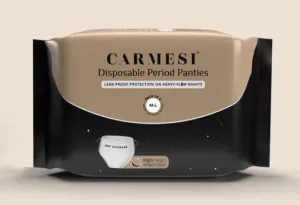
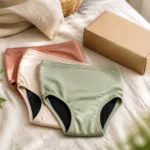





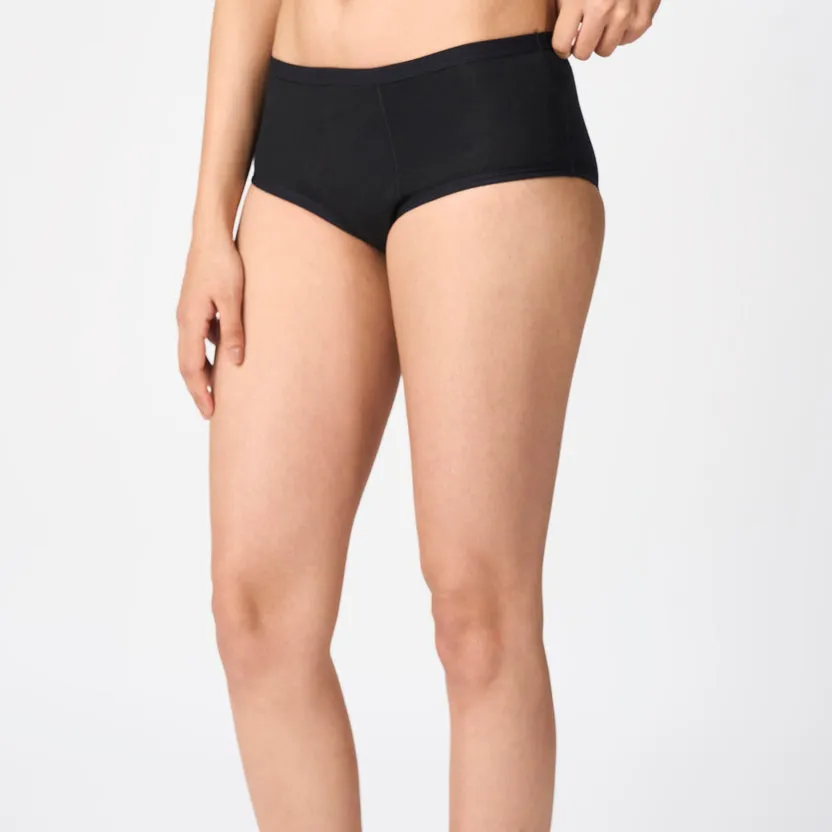
Here is the honest answer to the question do period panties smell — hygiene myths debunked: no, quality period panties do not inherently smell when worn for the right amount of time and washed properly. Any odor you notice almost always comes from blood, bacteria, or trapped moisture sitting too long — not from the underwear itself. Modern reusable period panties use moisture-wicking and odor-resistant layers designed to keep you feeling fresh, and most “smell” complaints trace back to a fixable wash or drying habit rather than a flaw in the product.
In this guide we separate marketing claims from what actually matters for hygiene, explain when odor is normal versus when it may signal something worth checking with a doctor, and give practical troubleshooting tips built for Sri Lanka’s warm, humid weather.
Key Takeaways
- Period panties do not smell on their own — odor comes from blood oxidising, bacteria, and moisture, all of which are managed by changing and washing on time.
- A faint metallic smell during your period is normal; a strong fishy or musty odor can be a sign to speak with a healthcare professional.
- Rinse in cold water first, wash without fabric softener, and dry fully — trapped detergent and dampness are the top causes of odor after washing.
- In humid climates, complete air-drying is the single most important step to avoid a musty smell in stored underwear.
- Worn correctly, period underwear is as hygienic as pads or tampons and is breathable rather than “sweaty.”
Do Period Panties Smell When You Wear Them?
No — well-made period panties should not smell noticeably while you wear them within their recommended wear time. Fresh menstrual blood is nearly odorless as it leaves the body. The scent people associate with periods develops later, when blood is exposed to air and to the natural bacteria that live on skin, and that process takes hours, not minutes.
Good period underwear is engineered specifically to slow this down. The layer against your skin is a moisture-wicking fabric that pulls liquid away from the surface, so your skin stays drier and bacteria have less warm moisture to feed on. Beneath that sits an absorbent core that locks fluid in, and many designs add an odor-resistant or antimicrobial treatment to further reduce bacterial growth. The result is that, for typical daytime use, other people cannot smell your period underwear — the fabric holds fluid securely and keeps the surface breathable. If you want to understand how these layers differ across styles and absorbency levels, the complete buyer’s overview for period panties in Sri Lanka breaks down what each layer does and how to choose the right one for your flow.
Why Do My Period Underwear Smell After a Few Hours?
If your period underwear starts to smell after several hours, it is almost always because blood has been sitting long enough to interact with bacteria and to lose moisture to the air. This is completely normal biology and is exactly the same reason a pad or tampon smells if left in too long. The odor is a signal about timing, not about the quality of your underwear.
Three things drive this:
- Blood breakdown: As blood oxidises and mixes with vaginal secretions, it develops a mild, sometimes metallic scent.
- Bacteria: Natural skin and vaginal bacteria multiply in warm, damp conditions and produce faint odor as a by-product.
- Trapped moisture: Heat and humidity — very relevant in Sri Lanka — keep the area warm and moist, which speeds everything up.
The fix is straightforward: change on time and don’t wear a single pair beyond its absorbency limit. On a heavy day, even the best product will start to smell once it is saturated, because there is simply too much fluid for the layers to keep isolated from air and bacteria. Matching your absorbency to your flow — heavier styles for heavy days — prevents this. You can compare absorbency levels across the range of reusable period panties to find styles rated for light, medium, or heavy days.
Is a Metallic Smell During My Period Normal?
Yes, a faint metallic or slightly “coppery” smell during your period is normal and expected. Menstrual blood contains iron, and iron is what gives blood its characteristic metallic scent. You will notice it most in the first day or two of heavier flow, and it usually fades as your period slows. This smell is a normal part of menstruation and is not caused by your period panties — you would notice the same scent with pads, tampons, or a cup.
Here is how to read the difference between normal and worth-checking odors:
| Odor | What it usually means | Action |
|---|---|---|
| Faint metallic / iron-like | Normal menstrual blood | No action needed |
| Mild musty after several hours | Blood + moisture sitting too long | Change and rinse the panty |
| Strong fishy smell | Possible bacterial imbalance | Consider speaking to a doctor |
| Yeasty / bread-like with itching | Possible yeast concern | Consider speaking to a doctor |
| Musty smell after washing | Detergent buildup or incomplete drying | Rewash and dry fully (see below) |
This table is a general guide for awareness, not a diagnosis. If an unusual odor persists, is very strong, or comes with itching, burning, or unusual discharge, it is worth checking with a healthcare professional rather than blaming the underwear.
How Do I Wash Period Panties So They Do Not Smell?
The reliable way to keep period underwear smell-free is a simple three-step routine: rinse in cold water, wash gently without fabric softener, and dry completely. Skipping any one of these steps is the most common reason people think their panties “still smell.”
- Rinse cold first. As soon as you take them off, rinse under cold running water until the water runs clear. Cold water is essential — hot water can set blood into the fabric, and set-in blood is what lingers as odor. This quick rinse removes the vast majority of the fluid before washing.
- Wash gently. Machine wash on a cold or cool cycle, or hand wash with a mild detergent. Use only a small amount of detergent.
- Skip fabric softener and bleach. Softener coats the fibres and clogs the moisture-wicking and absorbent layers, which traps residue and odor over time. Bleach can damage the leakproof layer.
- Dry fully. Air-dry until completely dry before storing.
Following the wash routine correctly is exactly what keeps reusable period panties hygienic across dozens of cycles. Once you have the rhythm — rinse, wash, dry — it takes only a couple of minutes a day and your underwear stays as fresh as new.
Why Do Period Panties Smell After Washing?
If your period underwear smells even after washing, the culprit is usually detergent buildup, fabric-softener residue, or incomplete drying — not leftover blood. This is the troubleshooting step most brand pages skip, so here is what to check.
- Too much detergent: Excess soap doesn’t fully rinse out and builds up in the absorbent layers, holding onto odor. Use less detergent, not more.
- Fabric softener film: Softeners leave a coating that repels water and traps smells. Stop using it entirely on period underwear.
- Not rinsed before washing: Throwing them straight in the machine without a cold pre-rinse leaves diluted blood in the fabric.
- Stored damp: Even slightly damp underwear develops a musty smell within hours in a humid climate.
To reset panties that have built-up odor, do a strip wash: soak in cold water with a small amount of detergent for an hour, then rinse thoroughly two or three times until no suds remain, and dry fully in sunlight if possible. Sunlight is a natural deodoriser. This usually restores freshness without any special products.
Why Does Air-Drying Matter So Much in Sri Lanka?
In Sri Lanka’s warm, humid climate, complete air-drying is the single biggest factor in keeping period panties odor-free, because dampness plus heat is the perfect environment for the musty smell of mildew. A pair that feels “almost dry” when you fold it away will often smell stale by the next morning.
Practical drying tips for humid, monsoon, and rainy conditions:
- Dry in direct sunlight when you can. UV light naturally reduces bacteria and freshens fabric. A few hours in the sun makes a real difference.
- On rainy days, dry indoors with airflow. Use a fan or a well-ventilated room rather than a closed bathroom.
- Never tumble dry on high heat. High heat can damage the leakproof membrane. Low heat or air-dry is safest.
- Confirm fully dry before storing. Press the gusset — the thickest part — with your fingers. If it feels even slightly cool or damp, it needs more time.
- Store in an open drawer, not a sealed plastic bag. Sealed storage traps any residual moisture and creates a musty smell.
Because the absorbent core is the thickest layer, it is always the last part to dry. Give it extra time, especially during monsoon season, and you will avoid nearly all storage-related odor.
How Often Should I Change Period Underwear to Avoid Odor?
As a general guideline, change period underwear every 6 to 12 hours, or sooner on heavy-flow days, to stay comfortable and avoid odor. The right interval depends on your flow and the absorbency rating of the specific pair you are wearing. A light-day panty saturates faster than a heavy-day one, so wear time is about capacity, not a fixed clock.
Simple rules of thumb:
- Heavy flow (day 1–2): Change every 4–6 hours or when you feel wetness.
- Medium flow: A full daytime stretch of 8–10 hours is usually fine with a mid-absorbency pair.
- Light flow / spotting: Many people wear a single pair all day.
- Overnight: Use a high-absorbency style designed for 8–12 hours.
If you notice wetness, discomfort, or a developing smell, that is your cue to change — regardless of the clock. Listening to those signals keeps you fresh and prevents leaks.
Are Period Panties as Hygienic as Pads and Tampons?
Yes — when worn for the recommended time and washed properly, period underwear is just as hygienic as pads or tampons, and it is breathable rather than plastic-lined. All menstrual products need to be changed on time; the hygiene rules are the same across the board. The idea that reusables are somehow “dirtier” is a myth, because you fully wash them between uses, whereas disposables are thrown away.
Where period panties can actually be gentler is airflow. Many disposable pads use plastic backing that traps heat and moisture against the skin. Breathable period underwear with moisture-wicking fabric can feel cooler and drier for some people, which is a real advantage in a hot climate. That said, no product prevents infections — vaginal health depends on your body’s own balance, not on which product you choose. If you regularly get irritation with any product, that is worth discussing with a doctor.
Could a Smell Mean a Yeast Infection or Bacterial Vaginosis?
A strong or unusual odor can occasionally be a sign of a vaginal imbalance such as a yeast concern or bacterial vaginosis, and this comes from your body — not from wearing period panties. It is important to say clearly: period underwear does not cause these conditions. But because it sits close to the body, it can sometimes be the first place you notice a smell that is worth paying attention to.
General signs that an odor may be worth discussing with a healthcare professional include:
- A strong fishy smell that doesn’t go away after washing and changing
- A yeasty or bread-like smell alongside itching, redness, or thick discharge
- Odor combined with burning, unusual discharge colour, or discomfort
- A persistent smell that appears even outside your period
None of this is a diagnosis — only a qualified doctor can determine what is happening and recommend treatment. If something feels off, don’t rely on changing your underwear alone; book a check-up. Normal period smells are faint and metallic and fade with fresh underwear, so a strong odor that persists is the clearest signal to get advice.
Frequently Asked Questions
Do period panties smell when you wear them?
No, not within their recommended wear time. Quality period panties use moisture-wicking and odor-resistant layers that keep the surface dry and slow bacterial growth, so others cannot smell them. Odor only develops when a pair is left on too long or worn past its absorbency capacity.
Why do my period underwear smell after a few hours?
Because blood has had time to oxidise and mix with natural bacteria, especially in warm, humid conditions. This is normal and the same reason a pad smells over time. Changing on schedule and matching absorbency to your flow prevents it.
Is a metallic smell during my period normal?
Yes. Menstrual blood contains iron, which produces a faint metallic scent, particularly on heavier days. It fades as your flow slows and is not caused by the underwear.
Can other people smell my period underwear?
In normal daytime use, no. The absorbent core locks fluid inside and the surface stays breathable, so odor does not escape. If you can smell it strongly yourself, it is usually a sign to change or that the pair is saturated.
Why do my period panties still smell after washing?
Most often from detergent or fabric-softener buildup, or from not drying fully. Use less detergent, skip softener entirely, rinse thoroughly, and dry completely — ideally in sunlight — to reset the fabric.
Does a fishy smell mean an infection or bacterial vaginosis?
A strong fishy smell that persists after washing and changing can be a sign of a vaginal imbalance, but only a healthcare professional can determine the cause. It is not caused by the underwear itself. If it continues or comes with itching or unusual discharge, see a doctor.
How often should I change period underwear to avoid odor?
Every 6 to 12 hours for most people, or every 4 to 6 hours on heavy days. Wear time depends on your flow and the pair’s absorbency rating, so change sooner if you feel wetness or notice a smell.
Is it hygienic to reuse period underwear?
Yes, provided you rinse, wash, and dry it properly between uses. Cleaned correctly, reusable period underwear is as hygienic as disposable products and produces far less waste.
Conclusion
The myth that period panties smell doesn’t hold up: with the right wear time, a simple cold-rinse-and-full-dry routine, and absorbency matched to your flow, they stay fresh cycle after cycle. A faint metallic smell during your period is normal, most odor after washing traces back to detergent buildup or damp storage, and a strong, persistent fishy smell is your cue to check in with a doctor rather than blame your underwear. In Sri Lanka’s humidity, drying fully — ideally in sunlight — is the one habit that solves almost every odor worry.
Ready to switch with confidence? Explore breathable, odor-resistant reusable period panties at period.lk, and if you’re new to reusables, start with our complete guide to period panties in Sri Lanka to choose the right absorbency for your body and lifestyle.