




You finally found period panties that feel good, and then the worry starts: how do you wash them without ruining them? Hot water, soap, the sun, the machine? In a hostel room, a shared bathroom or a busy family home where the washing line is in full view, it can feel awkward just to ask. If that is you, relax. Learning how to wash period panties takes about two minutes a day, and once you know the routine they stay leak-proof, fresh and stain-free for a long time.
This guide is written for real Sri Lankan homes: hand washing at the tap, a small washing machine, humid Colombo weather and monsoon weeks when nothing dries. We cover the basics, stains, smell, drying, school or work bags, and how long a pair should last.
How to wash period panties: the simple 5-step routine
Period panties have a thin absorbent layer built in. Treat that layer gently and it keeps doing its job. The routine is the same whether you wash by hand or in a machine.
- Rinse in cold water first. As soon as you take them off, rinse under a cool tap with the inside facing the water. Cold water helps lift blood out before it sets.
- Gentle soap, light rub. Use a little mild soap or a gentle liquid detergent. Rub the stained area softly with your fingers. No scrubbing brush.
- Rinse well. Leftover soap can leave a film on the absorbent layer, so rinse until the water runs clear.
- Squeeze, do not wring. Press the water out with your palms. Twisting hard can damage the layers.
- Dry fully before the next wear. We cover this properly below, because it matters most in our humid weather.
That is all. No special products, no long soaking, no stress.
What to avoid: the four things that ruin period panties
- Hot water. It can set blood stains and may wear down the leak-proof layer. Keep it cold or cool, always.
- Fabric softener. It coats fibres and makes the absorbent layer less absorbent, so leaks become more likely. This is the most common mistake.
- Bleach. It is harsh on the fabric and on the waterproof layer. Skip it, even on stubborn stains.
- High heat dryers or an iron on the absorbent layer. Heat is the enemy of the layers underneath. Air drying is best.
If you remember only one thing from this page: cold water, mild soap, no softener, no bleach.
Hand wash or machine? What works in Sri Lankan homes
Both work. Pick what suits your home and your privacy.
Hand washing
For most women, hand washing is the easiest. Do the cold rinse in the bathroom, give them a gentle soap wash, and hang them straight away. It also means nobody else needs to handle them, which many girls in hostels and joint families appreciate. A small bucket kept in your own bathroom for a quick rinse works well.
Washing machine
If you have a machine, use a cold, gentle or delicates cycle. Always do the cold rinse by hand first, then put the panties in a small mesh laundry bag so they do not tangle with towels or jeans. Use a mild detergent, skip the softener, and do not use the high-heat spin or dryer setting. A full wash with bedsheets and heavy items is not ideal, because rough fabrics can rub the layers.
Washing in a hostel or shared home
Privacy worries are real. Rinse in the bathroom before you leave, wash with your normal soap, and dry them inside a cotton pillowcase or a light cloth bag on your own hanger. A pair that dries on a hanger behind a door or clothes rail in your own room is just as clean as one on the garden line.
Stains and smell: what really helps
Stains and smell are the two biggest fears, and both are easy to manage.
Fresh stains
Rinse in cold water straight away. In most cases that is enough. If a faint mark stays, rub a little mild soap on it and rinse again in cold water.
Old or stubborn marks
Soak the pair in a basin of cold water with a small amount of mild detergent for about 30 minutes, then wash gently as usual. Never switch to hot water, because it can lock the stain in. A faint shadow on dark colours is normal and does not mean the panty is damaged.
Smell
A period smell usually comes from blood that stayed damp and warm, not from the panty itself. So the fix is simple: rinse early, wash well, and make sure the pair is fully dry before you wear it again. If you ever notice a lingering smell, give it another gentle soap wash and let it dry in a breezy spot.
Drying in humid weather and monsoon season
This is where Sri Lankan weather makes things tricky. In Colombo, Galle or Kandy during a rainy week, clothes can stay damp for a full day. A damp absorbent layer is slow to dry and can start to smell, so plan ahead.
- Turn them inside out so the thicker layer is exposed to air.
- Hang in a breezy spot such as a verandah, near a window or in front of a fan. A shaded, well-aired place is better than a crowded line.
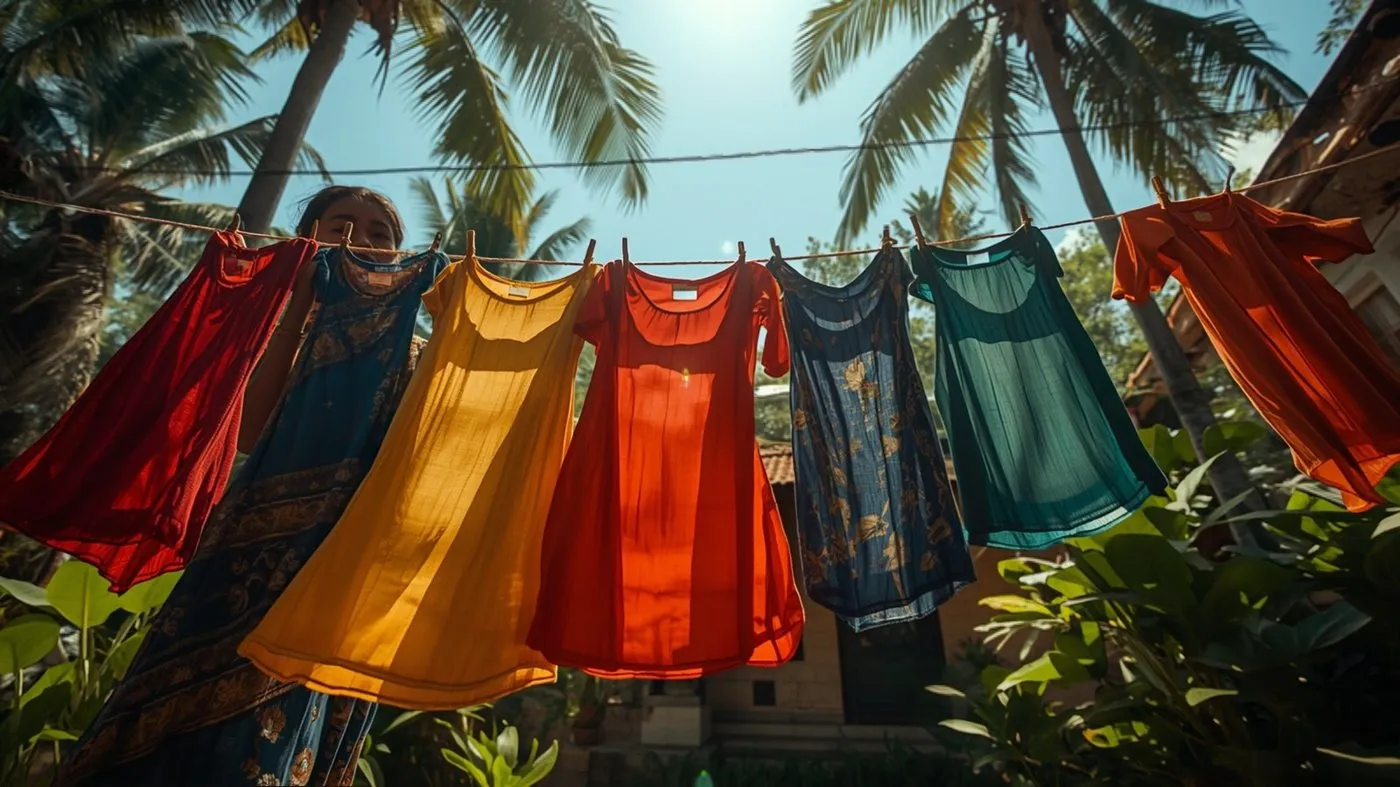
- Use sunlight when you can. A few hours of sun on a dry day is great. On very strong sun days, shade is gentler on the colours and elastic.
- Do not squeeze them between other wet clothes. Give each pair space.
- Own three to five pairs. With a few pairs in rotation, one can always be drying while another is ready to wear. Never wear a pair that still feels cool or damp.
On a heavy rain day, wash in the evening, press out the water with a dry towel, and hang them in front of a fan overnight. They are usually ready by morning.
Washing period panties on the go: school, college, work and travel
Many girls ask what to do when they change away from home. The answer is a small wet bag.
- Carry a zip pouch or a small plastic bag lined with a cloth inside your bag.
- If you can, rinse the used pair in cold water at the bathroom tap, squeeze it gently and place it in the pouch.
- If you cannot rinse, just fold it with the soiled side inside and put it in the pouch. Rinse it as soon as you get home.
- Always pack a fresh pair, so a surprise early period or a longer day does not catch you out.
A wet bag also solves the privacy problem. Nobody sees anything, and nothing leaks into your books or your laptop bag.
How long do period panties last?
With gentle care, a good pair of period panties lasts a year or more, often much longer, depending on how often you wear it. Hot water, softener and harsh scrubbing shorten that life quickly. Quality also matters, since thicker, well-made absorbent layers hold up better wash after wash.
Signs it is time for a new pair: the fabric has gone thin, the elastic has stopped holding, or the pair starts leaking at the usual flow. When that happens, replace it and keep the old one for light days or as a backup.
Choosing panties that are easy to look after
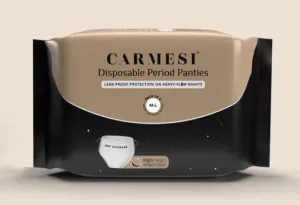
Good care is easier when the product is built to last. A few options currently on our site:
- Healthfab GoPadFree Heavy Leakproof Period Panty, from LKR 2,250. A good all-rounder for heavy days, and it follows the same cold-wash routine in this guide.
- Healthfab GoPadFree High Waist Period Panty, from LKR 3,290. A higher waist for extra comfort.
If you also use a menstrual cup, you can browse our menstrual cups category. Cups are rinsed and sterilised, not washed like panties, so the two routines are completely different.
We deliver island-wide across Sri Lanka.
Common questions about washing period panties
Can I wash period panties with my other clothes?
Yes, if you use cold water and a gentle cycle. Do the cold rinse first and keep them in a mesh bag. Avoid washing them with towels and jeans.
Can I use Dettol or salt?
A little mild soap and cold water is enough. Strong antiseptics can be harsh on fabric. If you like, a small amount of salt in the cold soak is fine for fresh stains, followed by a good rinse.
Is it unhygienic to wash them at home?
Not at all. Rinsing early, washing with mild soap and drying completely keeps them clean and fresh.
What if I forgot and the blood dried?
Do not panic. Soak in cold water for 30 minutes, then wash gently with mild soap. Most marks lift without trouble.
Final thoughts
Knowing how to wash period panties is not a big job. Rinse in cold water, wash gently, skip the softener and bleach, and dry fully, even in the rainy season. With that routine, your pairs stay comfortable, fresh and leak-proof for much longer, and you never need to feel awkward about it. A simple care habit is all it takes.
Ready to try a pair of your own? Browse our range and pick one that fits your flow.