





After birth, bleeding can feel confusing, heavy and hard to talk about. Is this still recovery, or is it your first real period again? In Sri Lanka many new mothers ask quietly, change pads far more often than they expected, and worry about leaks at night while the baby finally sleeps. This guide explains the difference between lochia and a true postpartum period, what the first period after birth often feels like, when to see a doctor, and how to stay leak-confident while you heal.
Lochia vs your postpartum period: what is actually happening?
Right after delivery your body clears the lining of the uterus. That discharge is called lochia, not a menstrual period. Lochia usually starts bright red and heavy, then turns pink or brown, then creamy or yellowish over the next few weeks. It can last two to six weeks, sometimes a little longer, and it often comes in waves when you stand up, breastfeed or walk more than usual.
A true postpartum period is different. It is the return of your menstrual cycle once hormones settle enough for ovulation (or nearly enough) again. Lochia is leftover tissue and blood from pregnancy and birth. Your period is the monthly cycle restarting. Mixing them up is common, especially when no one explained the difference in the hospital or at the clinic.
How long does lochia usually last?
Most women see the heaviest lochia in the first few days at home. By the end of week two it is often much lighter. Spotting can linger. If bleeding suddenly becomes bright red and soaking again after it had lightened, rest more and call your doctor or midwife — that can mean you are doing too much too soon, or that something needs checking.
When does the first period after birth usually return?
There is no single answer. If you are not breastfeeding, many women see a period somewhere between six and twelve weeks after birth. If you are fully or mostly breastfeeding, prolactin often delays ovulation, so your first postpartum period can wait three to six months, or even longer. Some mothers only bleed again when they introduce formula or solids. A late return alone is not always a problem, but a sudden heavy gush, fever or foul smell always needs medical advice.
What your first postpartum period can feel like
The first period after birth often surprises people. Flow can be heavier than before pregnancy. Clots can be larger. Cramps can feel stronger because the uterus is still settling. Timing can be irregular for a few cycles. Night-time flooding is a frequent complaint: you wake to a soaked pad, stained sheets and a racing heart while the baby needs a feed.
None of that means you did something wrong. Hormones swing hard after birth. Sleep is broken. You may still be healing from a tear, episiotomy or caesarean. Pads that worked before pregnancy may not hold this flow, and thin liners almost never do on day one or two of a first postpartum period.
- Heavier than your old normal for one or two cycles is common.
- Unpredictable start days make planning hard, especially with a newborn.
- Overnight leaks ruin sleep you desperately need.
- Skin irritation from plastic-backed pads worn for weeks of lochia plus periods.
- Silence and stigma — many Sri Lankan families still treat postpartum bleeding as something you should not discuss.
If you want a clear picture of flow that feels too heavy in general, our guide to heavy bleeding during your period explains what is usual and what is not. For cycles that stay unpredictable months later, see irregular periods in Sri Lanka.
Postpartum period leaks: day, night and going out with a baby
Leak fear after birth is not vanity. It is about dignity on a clinic visit, confidence on the bus to your mother-in-law’s house, and sleep that is already cut short. You need protection that matches heavy, stop-start flow without adding heat and rash in our humid weather.
Daytime: appointments, visitors and short walks
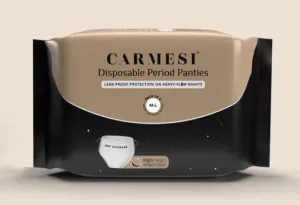
A reusable heavy-flow period panty under a soft cotton dress or home wear lets you move without constantly checking a pad wing. The Healthfab GoPadFree Heavy Leakproof Period Panty (from LKR 2,250) is built for heavy days and feels like ordinary underwear, which matters when your body still feels unfamiliar. Keep a disposable backup in the nappy bag for longer outings — the Healthfab Disposable Period Panties Pack of 5 (from LKR 1,690) packs flat and is useful for travel or clinic days.
Night: sleep without sheet panic
Overnight is when many new mothers lose confidence. Changing a pad at 2 a.m. with a crying baby is exhausting. Sleep shorts with built-in absorbency cover more of the seat and thighs than a daytime panty. The Healthfab GoPadFree Period Sleep Shorts (from LKR 5,090) are made for that night window. Pair them with our tips in overnight period panty in Sri Lanka if you want a fuller night routine.
Pads still have a place
Some women prefer pads for the early lochia days or for backup. Soft, plant-based options are gentler if your skin is already irritated from weeks of recovery bleeding. Carmesi Sensitive Rash-Free Sanitary Pads (LKR 1,800) are a calmer daytime backup. For very long nights, Carmesi Air Feel Night Pads XXXL+ (LKR 5,150) give extra length. You can mix pads and period panties; many mothers use panties as the main layer and a pad only on the heaviest hours.
Comfort, stigma and talking about postpartum bleeding
In many Sri Lankan homes, postpartum bleeding is whispered about or left unexplained. That silence leaves new mothers guessing whether lochia is “too much,” whether a first period means they can get pregnant again (yes, ovulation can return before the first bleed), and whether asking for better protection is “spoiling.” You deserve clear words and practical help.
Talk to your midwife, public health midwife or gynaecologist if bleeding worries you. Tell a trusted sister or friend what your nights feel like. And if cramps return with your postpartum period, gentle heat, rest and the ideas in our period pain relief guide can take the edge off while you recover.
This article is education, not medical advice. See a doctor urgently for heavy bleeding that soaks a pad every hour, large clots with dizziness, fever, foul-smelling discharge, severe pain, or bleeding that suddenly worsens after it had settled. Only a clinician can examine you and decide what is safe.
A simple postpartum leak kit for Sri Lanka
You do not need a cupboard full of products. A small, ready kit reduces panic:
- One heavy reusable period panty for daytime “maybe” and first-period days.
- One pair of period sleep shorts for nights when lochia or a first period floods.
- A small pack of disposable period panties for clinic trips, temple visits or when laundry cannot keep up.
- A soft pad backup if you still prefer pads for part of the day.
- Spare dark underwear and a waterproof mattress protector for the early weeks.
When you are ready to choose fit and flow level, browse the full period panties range. Orders are packed discreetly with island-wide delivery across Sri Lanka.
Quick answers about the postpartum period
Is lochia the same as a period?
No. Lochia is post-birth discharge while the uterus clears. A postpartum period is your menstrual cycle returning later. They can look similar when red and heavy, which is why timing and colour change over weeks matter, and why your doctor is the right person for anything that feels wrong.
Can I get pregnant before my first postpartum period?
Yes. Ovulation can happen before you see bleeding again, especially as breastfeeding patterns change. If you do not want another pregnancy soon, ask your doctor about contraception that suits breastfeeding and recovery.
Are period panties safe after a caesarean or tear?
Soft, breathable period underwear is usually fine once your clinician says you may wear regular underwear again. Avoid anything tight that rubs a fresh scar. If you are unsure, ask at your postnatal check.
How do I wash reusable period panties with newborn laundry?
Rinse in cold water soon after wear, then wash with mild detergent. Avoid fabric softener on the absorbent panel. Hang to dry. Full steps are in our wash guide if you need them later; the short version is: cold rinse, gentle wash, air dry.
You deserve leak confidence while you heal
A postpartum period — and the lochia weeks before it — should not steal the little rest you get. Know the difference between recovery bleeding and a true period, get medical help for warning signs, and wear protection that matches heavy, unpredictable flow day and night. Your body has done something enormous. Comfort is not a luxury; it is part of healing.
Start with the period panties collection, add sleep shorts for overnight calm, and keep a disposable pair in the nappy bag. Small changes make long nights kinder.