





Most of us grew up with pads. They are easy, familiar and sold in every kade. But after years of rashes in the heat, bulky night pads and that constant “has it leaked?” check when you stand up on a bus, many women are now weighing up a menstrual cup vs pads. Is a cup really better? Is it safe? And is it worth learning something new?
This honest comparison looks at cost, comfort in our climate, leaks, side effects and the cultural worries nobody likes to say out loud, so you can decide what suits your body and your routine. You do not have to pick a “winner”. Plenty of women use both.
Menstrual cup vs pads: the quick answer
| Menstrual cup | Sanitary pads | |
|---|---|---|
| How it works | Worn inside, collects flow | Worn in underwear, absorbs flow |
| Cost | One-time buy, reused for years with care | Buy new packs every cycle |
| Comfort in heat | No outer wetness, no rubbing | Can trap heat and sweat, may cause rashes |
| Change time | Empty every few hours, up to the time in your box | Change every 4 to 6 hours, sooner on heavy days |
| Learning curve | Two or three cycles to feel confident | None |
| Waste | Very little | A bin full every month |
In short: a cup usually wins on long-term cost, comfort in hot weather and waste. Pads win on simplicity and zero learning curve. The rest of this guide explains the trade-offs.
Cost in Sri Lanka: one cup vs years of pads
Pads look cheap because you pay a little at a time. At period.lk, a pack of breathable day pads is LKR 1,500 and a pack of 16 extra-long night pads is LKR 2,800. Most women need at least one pack a cycle, often more on heavy months, plus liners.
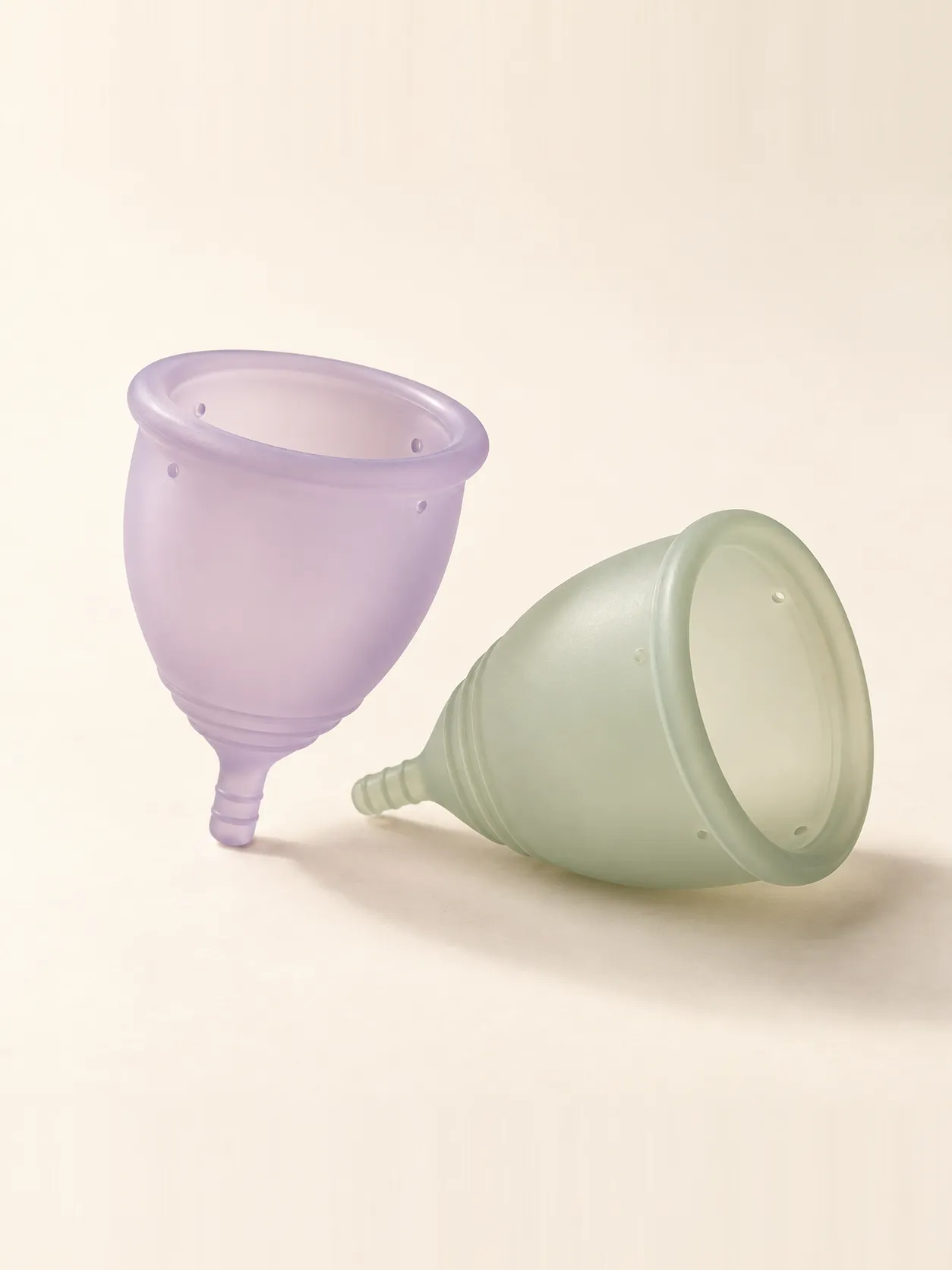
A Carmesi menstrual cup is LKR 2,800, once. With proper care a good silicone cup lasts for years, so depending on how many packs you normally use, it often pays for itself within one to three cycles. After that, your monthly period spend drops to almost nothing, which matters when every rupee in the household budget is counted.
Comfort in our heat: rashes, sweat and chafing
This is where many women notice the biggest difference. In Colombo humidity or a hot afternoon in Anuradhapura, a pad sits against warm skin for hours. Add walking, a crowded train or a school uniform, and you get friction, sweat and the familiar sting of pad rash. Our sanitary pads include breathable and rash-free options that help a lot, but a pad is still a layer of wet material against your body.
A cup sits inside, so there is nothing rubbing outside and no damp feeling when you sit down. Women who wear salwars, sarees, leggings or fitted office trousers often say they feel “normal” again, with no visible outline and no crinkle.
Leaks, heavy flow and long days
Pads leak when they are full, when they shift, or when you lie down and flow runs back. That is why night pads are so long. A well-fitted cup holds more than a regular pad and forms a light seal, so many women with heavy flow find they can get through an office day, an exam or a long journey home without rushing to a washroom that may not be clean.
The key word is “well-fitted”. Most cup leaks come from the wrong size or a cup that has not fully opened. Our menstrual cups page has a simple small, medium and large size guide, so check that before you buy. For very heavy days, many women pair a cup with a period panty for extra peace of mind, and our guide to the heavy flow period panty explains how that combination works.
Menstrual cup side effects: what is normal and what is not
Every period product has pros and cons, so it is worth being honest. Common, usually harmless experiences in the first few cycles include:
- Feeling of pressure or awareness if the cup sits too low or is a size too big.
- Small leaks while you learn to let the cup open fully.
- Mild soreness from tense muscles during insertion, which fades as you relax.
Less common, but important: sharp pain, pain when passing urine, fever, a rash with dizziness, or unusual discharge are not normal. Remove the cup and see a doctor. Toxic shock syndrome is very rare with cups, but it is possible with any internal product, so empty and rinse the cup on time and never leave it in longer than your box advises. If you have an IUD (copper T), a recent birth or a gynaecological condition, speak to your doctor before switching.
Pads have their own side effects that we simply accept: rashes, itching, odour when a pad is worn too long, and skin irritation from fragrances. Neither option is risk-free; both are safe for most women when used properly.
The worries we don’t say out loud: virginity, stigma and family
Many girls hear that internal products are “only for married women”. A menstrual cup does not affect virginity, which is about sexual experience, not about a piece of silicone. Teenagers and unmarried women use cups safely around the world, usually starting with the small size. If you live with family, a cup can actually feel more private: no packs to buy at the corner shop, no wrapped pads in the bathroom bin, and nothing to explain.
If you are a parent, it helps to talk about options early. Our first period guide is a gentle starting point.

Who might prefer pads (for now)
A cup is not for everyone, and that is fine. You might happily stay with pads if you do not feel comfortable with internal products, you rarely have access to clean water when you are out, you have a medical condition your doctor wants to monitor, or you simply like your routine. Pads are also a great backup while you learn, and liners are handy for the last light days.
Switching from pads to a cup: a simple mixed plan
- Pick your size using the guide on our menstrual cups page.
- Practise at home on a lighter day, following our step-by-step guide on how to use a menstrual cup.
- Keep a backup for the first cycle or two: a liner, a pad, or a reusable period panty.
- Use the cup for your long days first (office, college, travel) once you feel confident.
- Keep pads for the days you want them. There is no rule that says you must choose only one.
More women are trying period cups in Sri Lanka every year, but the right choice is the one that lets you forget about your period and get on with your day.
People also ask: menstrual cup vs pads
Is a menstrual cup better than pads?
For many women, yes: a cup is cheaper over time, more comfortable in hot weather and creates far less waste. Pads are simpler and need no learning curve. The better choice is the one that fits your body, flow and routine, and many women use both.
Are menstrual cups safe?
Yes, for most women when used properly. Choose a medical-grade silicone cup in the right size, wash your hands, empty it on time and boil it between periods. Speak to a doctor first if you have an IUD, have recently given birth or have a gynaecological condition.
What are the side effects of a menstrual cup?
Early on, some women feel pressure, small leaks or mild soreness while learning. Sharp pain, pain when passing urine, fever or unusual discharge are not normal: remove the cup and see a doctor.
Is a menstrual cup cheaper than pads in Sri Lanka?
Usually. A cup at period.lk is LKR 2,800 once, while pad packs cost LKR 1,500 to LKR 2,800 every cycle. Depending on how many packs you use, a cup often pays for itself within one to three cycles.
Which is better for heavy flow, a cup or pads?
Many women with heavy flow prefer a cup because it holds more than a regular pad and does not shift. Choose the right size, empty it more often on heavy days and add a period panty or pad as backup at first.
Can I use a menstrual cup if I am unmarried?
Yes. A menstrual cup does not affect virginity. Many teenagers and unmarried women use cups safely, usually starting with the small size.
Can I use a cup and a pad together?
Yes. Wearing a liner, pad or period panty with your cup is a smart backup while you learn, and on your heaviest days.