





If you have ever rinsed a stained cloth pad in a Colombo bathroom sink while hoping no one knocks, you already understand why women search for cloth pads Sri Lanka options they can trust. Cloth pads are reusable menstrual pads made of fabric layers you wash and wear again. They promise less waste, softer feel, and fewer plastic wrappers — but humid weather, shared homes, school bags, and the stigma of hanging pads to dry make the reality harder than the brochure.
This guide stays honest: how cloth pads work, where they fail in Sri Lankan life, how to wash and dry them without shame, and when a modern reusable alternative — like period panties or plant-based pads — may fit your day better. We do not sell cloth pads at period.lk; we sell tools that solve the same pain points with less laundry theatre.
What cloth pads actually are (and what they are not)
A cloth pad is a fabric pad — often cotton, flannel, or a mix — with an absorbent core and wings that snap or fold under your underwear. Some have a waterproof backing; cheaper ones do not. You wear it like a sanitary pad, then rinse, wash, dry, and reuse. Done well, it can feel softer than a plastic-topped disposable pad and cut the bin full of wrappers every cycle.
What a cloth pad is not: a set-and-forget product. It needs cold-water rinsing soon after use, a wash cycle or hand wash, and enough drying time in shade. Miss any step in a humid Sri Lankan week and you get damp fabric, odour, or a pad that feels clammy by lunch. That is not a moral failure — it is climate meeting laundry capacity.
If you already like the idea of reusable period care but hate pad wings and drying lines, browse our reusable period panties guide and the live period panties collection. Panties keep absorbency inside underwear you already wear — no snaps, no hanging a stained pad on the balcony.
Cloth pads Sri Lanka: washing, drying, and humid weather
Search interest in cloth pads Sri Lanka often peaks when women want fewer disposables — then hits the wall of monsoon humidity. A pad that dries overnight in a dry climate can stay damp for a full day in a Colombo flat with no sun balcony. Shared bathrooms mean less privacy for rinsing. Hostels and boarding schools may ban hanging “period things” in common areas. That is the real constraint, not fabric theory.
- Rinse cold first — warm water can set stains. Hold the pad under cold tap water until the water runs clearer, then wash.
- Wash gently — mild soap, hand wash or a gentle machine bag. Avoid harsh bleach that ruins waterproof layers.
- Dry in shade when you can — direct harsh sun can stiffen fabric; full shade with airflow is kinder. A fan helps on rainy weeks.
- Own enough pairs — one pad is never enough. You need a wet bag, spares for travel, and extras while others dry.
Humid drying is why many women who start with cloth pads later add period panties for work and school days. You still rinse a panty, but you are not snapping wings under a school skirt in a toilet stall, and you are not hanging a pad shape that neighbours can recognise from the next balcony.
Leaks, stains, and the pad that shifts by midday
Cloth pads leak for the same mechanical reasons disposable pads do — plus a few extras. Wings loosen when snaps sit wrong. The pad bunches when you sit on a tuk-tuk seat for forty minutes. A light-absorbency cloth pad on a heavy day-one fails the same way a thin disposable does. Waterproof backing helps sheets and underwear; without it, a sudden gush reaches fabric you hoped would stay clean.
Stains are not only about blood on fabric. They are about white school uniforms, pale office trousers, and the mental load of checking your seat before you stand. Cloth pads can stain permanently if you delay rinsing. Some women accept the marks as part of reuse; others feel each stain as proof the system is failing them. Both feelings are valid. Protection should reduce anxiety, not add a new laundry scorecard.
When leaks are the main fear — especially heavy days — many readers prefer a built-in absorbent zone. The Healthfab GoPadFree Heavy Leakproof Period Panty starts from LKR 2,250 and is made to hold more volume without a separate pad. Compare also our period panty vs pads guide if you are deciding between formats.
Stigma: hanging pads, shared homes, school and work
Period stigma in Sri Lanka rarely needs a speech. It shows up when you hide a wet cloth pad in a plastic bag until everyone leaves the bathroom. When you dry pads under a towel so the shape does not show on the line. When a boarding-school girl asks a friend to “watch the door” while she changes. When an office worker packs three spares because she cannot risk a rinse at work.
Cloth pads ask for privacy that many homes and schools do not give. That does not make cloth pads bad — it makes them a poor fit for some weeks of your life. Travel overnight on a bus. A wedding weekend in a relative’s house. Exam week in a hostel. Those moments need protection you can manage quietly.
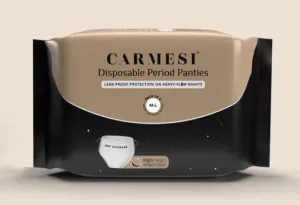
Period panties look like ordinary underwear. You change in a stall, bag the used pair, and rinse later at home. Plant-based disposable pads — such as Carmesi Sensitive Rash-Free Sanitary Pads at LKR 1,800 — still go in a bin, but many women find them softer and less rash-prone than plastic-heavy options when they need a disposable day. Use what matches the day you are actually living, not the day you wish you had.
Reusable pads Sri Lanka: when cloth still makes sense
Reusable pads Sri Lanka shoppers often keep cloth pads for nights at home, light days, or postpartum spotting — times when washing is easy and privacy exists. If you have a private bathroom, a drying rack indoors, enough spares, and a mild detergent you trust, cloth pads can feel soft and economical over years of use.
They make less sense as your only tool if you:
- Share a bathroom with little rinse time before work or school.
- Live through long rainy stretches with no reliable dry space.
- Have heavy day-one flow that outruns thin cloth cores.
- Travel often and cannot manage a wet-bag routine on the road.
- Feel constant stress about someone seeing pads on a line.
Honest positioning: cloth pads are one reusable path. Period panties are another. Menstrual cups are a third for people who prefer internal options — see menstrual cup vs pads in Sri Lanka. Mixing tools across a cycle is common and smart, not “cheating” on sustainability.
Modern alternatives when cloth-pad laundry is too much
If cloth-pad washing and drying is the friction — not the idea of reuse — start here:
- Healthfab GoPadFree Heavy Leakproof Period Panty — from LKR 2,250. Built-in absorbency for heavier days without a separate pad. Rinse, wash, reuse — no wings to snap.
- Healthfab GoPadFree Heavy Modal Period Panty — LKR 3,500. Modal feel for women who want soft fabric against humid skin while keeping leak protection.
- Carmesi Sensitive Rash-Free Sanitary Pads — LKR 1,800. Plant-based pad option for days you want disposable convenience with a gentler top sheet.
- Full period panties collection — compare absorbency and cuts for school, office, and overnight needs.
Island-wide delivery is available when you need stock before a heavy week; it is a logistics detail, not the reason to switch. The reason is fewer leaks, less hanging stigma, and protection that matches humid, shared, busy Sri Lankan days.
How to choose: cloth pad, period panty, or plant-based pad
- Choose cloth pads if you have drying space, privacy, mild flow days at home, and you enjoy the soft fabric ritual.
- Choose period panties if you want reusable protection that looks like underwear, travels quietly, and skips pad wings — start from LKR 2,250 for Heavy Leakproof styles.
- Choose plant-based pads if you need a familiar pad shape for a trip, a heavy surprise day, or a week when laundry is impossible — Carmesi Sensitive at LKR 1,800 is one live option.
- Own a mix so one wet week or one guest stay does not undo your whole plan.
Size and absorbency still matter more than slogans. A cloth pad that is too thin for day one will leak. A period panty that is too large will gap at the legs. Test at home before a long exam day or a white-outfit event. Listen to sudden heavy bleeding changes with a doctor — underwear and pads support comfort; they do not diagnose medical problems.
FAQ: cloth pads and reusable options for Sri Lankan women
Do cloth pads work in humid weather? Yes, if you have enough spares and a drying plan — indoor rack, fan, shade. Without drying capacity, damp pads cause odour and discomfort. Many women keep cloth for home nights and use period panties for humid work weeks.
Will people notice if I hang cloth pads? Pad shapes are recognisable on a shared line. Indoor drying, a covered rack, or switching to period panties for public-facing laundry days reduces that stigma load.
Are cloth pads cheaper long term? They can be, if you use them for years and wash them carefully. Factor in detergent, water, electricity for fans or dryers, and the time cost. Period panties have a higher first price (from LKR 2,250) but skip the pad-wing routine.
Can I use cloth pads at school or work? Some women do with a wet bag and bathroom access. Others find snaps and rinsing too stressful in shared toilets. Period panties or a trusted disposable pack are valid for those days.
Does period.lk sell cloth pads? No. We focus on period panties, menstrual cups, and plant-based pad options that solve leaks, comfort, and stigma with less hanging and snapping. Start at the period panties collection.
Choose protection that fits your real laundry day
Cloth pads in Sri Lanka can be soft, reusable, and kinder to the bin — when washing, drying, and privacy work in your favour. When humid weather, shared homes, school toilets, or heavy flow make cloth-pad care stressful, you are not failing sustainability. You are matching tools to life.
If cloth pads Sri Lanka led you here because you want fewer leaks and less waste, compare modern reusables next: the GoPadFree Heavy Leakproof from LKR 2,250, Modal Heavy at LKR 3,500, or Carmesi Sensitive pads at LKR 1,800 for disposable soft days. Shop the full range at period.lk/period-panties — and pick the option that lets you move through Colombo rain, tuk-tuk seats, and shared bathrooms without a second thought about a hanging pad.